


India's successful rollout of E20 biofuel gasoline offers lessons for Vietnam
India’s experience in developing biofuel gasoline offers valuable lessons for Vietnam as the country seeks to accelerate its green energy transition.
India has emerged as one of the world’s most successful biofuel developers. In little more than a decade, the country increased the ethanol blending rate in gasoline from 1.53% to nearly 20%, built annual ethanol production capacity of almost 20 billion litres, and officially rolled out E20 gasoline nationwide. India’s success provides important insights for Vietnam as it advances its energy transition agenda and pursues its commitment to achieving net-zero emissions by 2050.
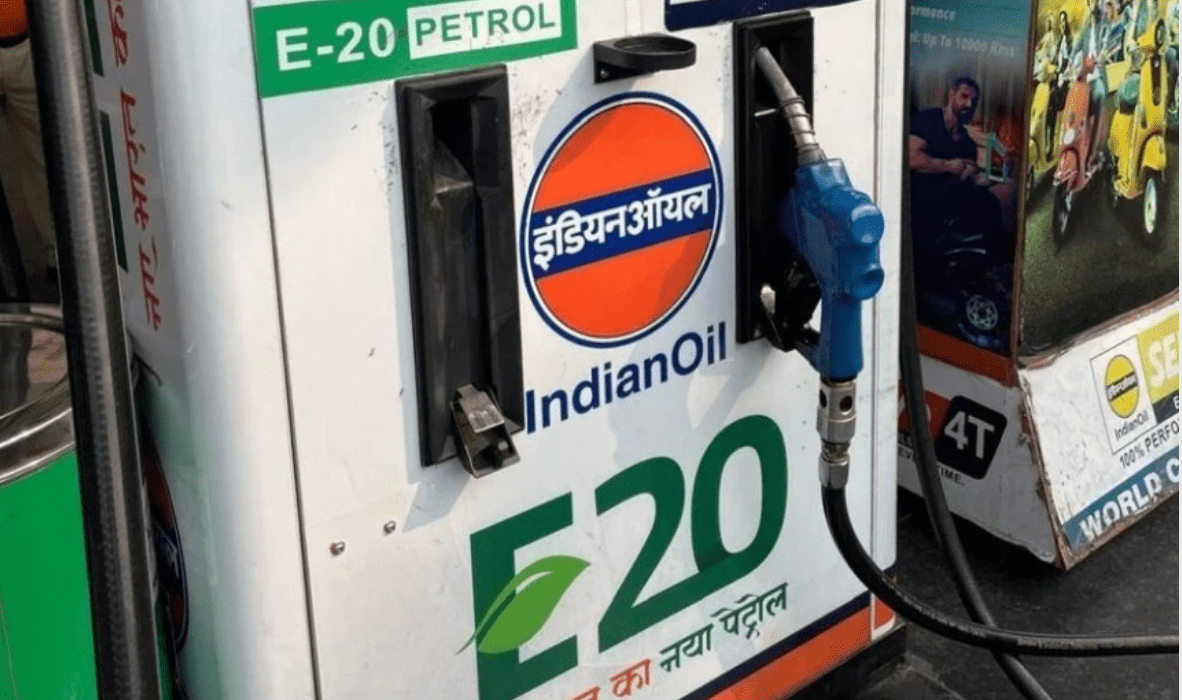
From E5 to E20: India’s two-decade journey
India launched its Ethanol Blended Petrol Programme (EBP) in 2003 with the objectives of reducing dependence on imported crude oil, increasing farmers’ incomes, and lowering greenhouse gas emissions.
During the early years, implementation faced numerous challenges, including limited ethanol supply, insufficient pricing incentives, and underdeveloped distribution infrastructure. A major turning point came in 2014 when the government introduced the Administered Pricing Mechanism (APM), which guaranteed ethanol procurement prices and provided producers with a stable market. This policy is widely regarded as a key catalyst for investment in the biofuel sector.
In 2018, India adopted its National Policy on Biofuels, expanding feedstock sources beyond molasses to include sugarcane juice, maize, surplus rice, damaged food grains, and various agricultural residues. The government also introduced credit support programmes, interest subsidies, and incentives for the development of second-generation (2G) ethanol produced from crop residues, bagasse, and agricultural biomass.

Growth in ethanol blending rates in India.
In 2021, the government unveiled the “Roadmap for Ethanol Blending in India 2020 - 2025,” advancing the target date for nationwide E20 adoption from 2030 to 2025 - 2026. By June 2022, India had achieved its E10 target ahead of schedule, and by 2026 the country had reached an ethanol blending level of nearly 20% nationwide.
Remarkable growth in ethanol production and consumption
After more than two decades of implementation, India has become the world’s third-largest producer and consumer of ethanol, behind only the United States and Brazil.
Alongside the increase in blending rates, India’s ethanol production capacity expanded rapidly from approximately 2.15 billion litres in 2013 to around 19.5 billion litres by the end of 2025. The country now has nearly 500 distilleries supplying ethanol to the EBP programme.
Notably, the structure of ethanol feedstocks in India has undergone a significant transformation. While ethanol production was once dominated by sugarcane-based raw materials, maize, surplus rice and other grains now account for a substantial share of total supply. This diversification has reduced dependence on a single feedstock source and helped ensure a stable supply for the E20 programme.
Key factors behind India’s success
An examination of India’s experience shows that the success of the E20 programme rests on five core pillars.
First, the government demonstrated strong political commitment and maintained consistent policies over an extended period. Ethanol has been positioned as a strategic pillar of the country’s energy security framework.
Second, India established a clear roadmap with phased targets, progressing from E5 to E10 and eventually E20. This long-term vision provided certainty and confidence for investors.
Third, the government implemented a guaranteed procurement pricing mechanism and tasked state-owned oil marketing companies with purchasing ethanol, thereby reducing market risks for producers and investors.
Fourth, feedstock sources were diversified beyond sugarcane to include maize, surplus rice, biomass and agricultural residues, strengthening supply security.
Fifth, ethanol production was developed in tandem with logistics infrastructure, fuel standards and the automotive industry. The government required vehicle manufacturers to develop E20-compatible engines while also exploring future pathways for E85 and E100 fuels.
Challenges remain
Despite its achievements, India’s E20 programme continues to face several challenges.
Feedstock availability remains vulnerable to climate change, droughts and fluctuations in agricultural output. The use of maize and certain food grains for ethanol production has also sparked debate over the balance between energy security and food security.
In addition, ethanol contains less energy per litre than conventional gasoline, meaning E20 fuel may increase fuel consumption by approximately 2 - 6%, depending on the vehicle type. Some older vehicle models may also require technical modifications to operate optimally on E20 fuel.
Lessons for Vietnam
As Vietnam advances the implementation of its national energy planning framework and pursues its net-zero emissions target by 2050, India’s experience offers several important lessons.
First, Vietnam should formulate a long-term biofuel development strategy extending to 2045, with a clearly defined roadmap from E10 to E20 to provide policy certainty and encourage long-term investment.
Second, the country needs to strengthen market mechanisms for ethanol, including pricing policies, tax incentives and investment support measures to ensure stable demand and sustainable industry growth.
Third, Vietnam should capitalize on its feedstock advantages, including cassava, molasses, sugarcane and maize, while making greater use of the tens of millions of tonnes of agricultural residues generated annually to develop second-generation ethanol production.
Fourth, E20 deployment should be accompanied by the development of fuel standards, logistics infrastructure and comprehensive assessments of vehicle compatibility across the existing transport fleet.
Fifth, Vietnam could deepen cooperation with India in ethanol technology, next-generation biofuel development and potential participation in the Global Biofuels Alliance (GBA).
From a country with an ethanol blending rate of less than 2% in 2014, India has evolved into one of the world’s leading success stories in biofuel development. This achievement has not only reduced the country’s dependence on crude oil imports and increased farmers’ incomes, but has also made a significant contribution to its green energy transition.
For Vietnam, where energy security and emissions reduction are becoming increasingly urgent priorities, India’s experience serves as a valuable reference for designing a biofuel development roadmap tailored to domestic conditions, supporting the transition toward a green, circular and sustainable economy.

