


Ministry of Industry and Trade has issued recommendations to mitigate the impact of the conflict involving the US, Israel,Iran and the broader Middle East region.
The Import-Export Agency under the Ministry of Industry and Trade has issued Official Dispatch No. 229/XNK-TLH outlining a number of recommendations aimed at minimizing the impact of the escalating conflict between the US, Israel and Iran across the Middle East.
According to the Import-Export Agency, from February 28, 2026, the US and Israel launched large-scale airstrikes against Iran, marking a serious escalation of tensions in the Middle East. Within 24 to 48 hours of the strikes, the parties involved signaled preparations for a potential conflict lasting several days. The ensuing attacks and counterattacks have led to significant instability, creating a high-risk environment for transportation, international trade and global supply chains.
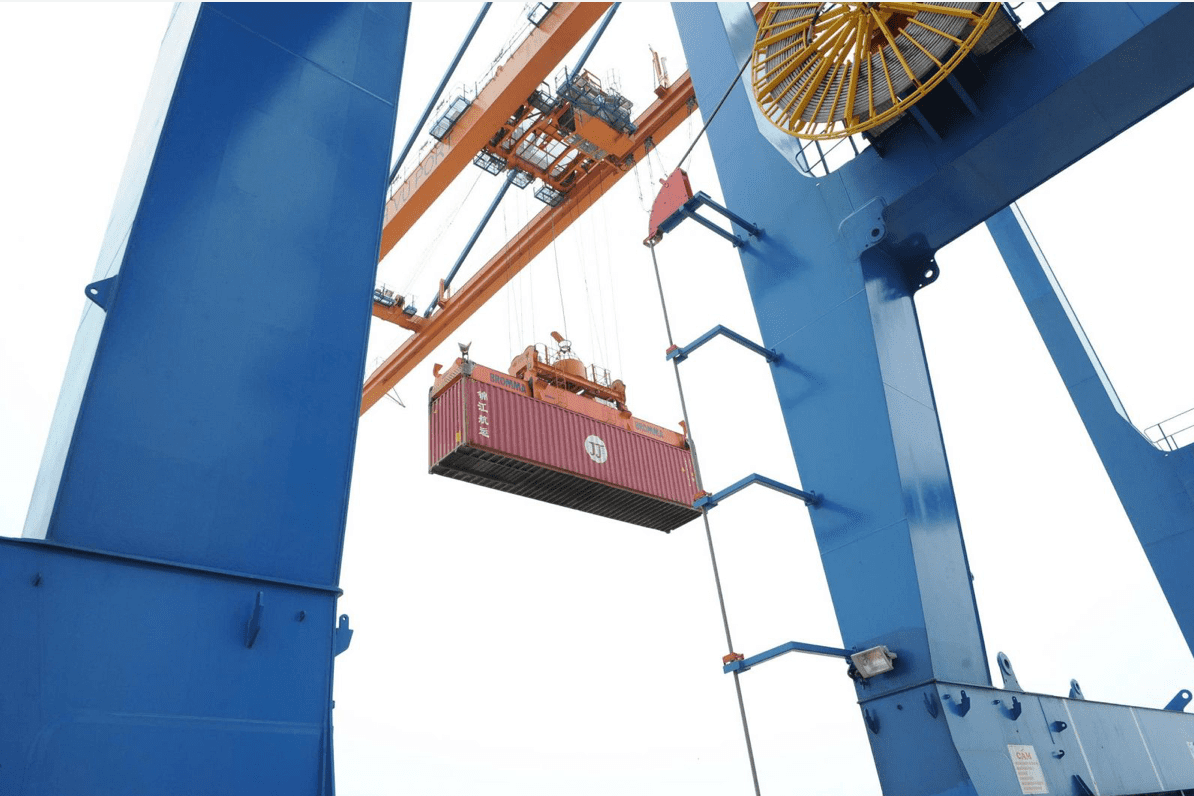
Ministry of Industry and Trade recommends measures to mitigate impact of US, Israel, Iran conflict on the Middle East.
Prices of consumer goods, fuel and global oil are forecast to rise in the coming period, generating indirect and multi-dimensional negative impacts on Vietnam’s production, import and export activities in general, and on trade with the Middle East in particular. In the logistics sector, higher fuel costs are expected to push up sea freight and air cargo rates, while also affecting cargo routes serving Gulf countries. Several Middle Eastern nations have restricted or closed their airspace due to security concerns, forcing cargo and freight flights to reroute, lengthening flight times and increasing operational costs, thereby undermining logistics efficiency.
Shipping through the Strait of Hormuz has been severely disrupted following the US and Israeli strikes on Iran. Tehran has warned vessels that transit through Hormuz is currently unsafe, compelling shipping lines to avoid the conflict zone or alter routes, significantly increasing transit times and fuel expenses.
In light of these developments, the Import-Export Agency has urged export and import associations, as well as logistics associations, to closely monitor the situation and maintain regular communication with relevant state management authorities to provide timely updates to their members. This is intended to help businesses proactively adjust production plans and organize import-export and transportation activities, avoid congestion and minimize negative impacts arising from the ongoing tensions involving Israel, the US and Iran. The measures are also aimed at enhancing flexibility and resilience against fluctuations in the international business environment that may affect Vietnamese enterprises in the event of unforeseen incidents in the future.
First, the agency recommends diversifying sources of supply and seeking alternative markets with similar demand in order to reduce the impact should exports to Israel, Iran and the Middle East face difficulties. In the long term, businesses are encouraged to develop proactive contingency plans to respond to similar disruptions.
Second, during negotiations and the signing of sales contracts, enterprises should pay close attention to logistics, transportation, delivery and insurance clauses in order to protect themselves against risks and losses in the event of disruptions. Transport contracts should include force majeure provisions, compensation mechanisms and cost-sharing arrangements in case goods are exposed to risk. At the same time, companies are advised to obtain adequate cargo insurance to mitigate potential losses in import markets.
Third, businesses and associations should regularly and proactively analyze and exchange information with relevant ministries and agencies regarding import-export data, geopolitical developments affecting production, trade and transportation activities of Vietnamese enterprises, as well as freight rates, costs and surcharges. This will enable timely coordination and agreement on response measures to similar situations in the future.
Fourth, enterprises are encouraged to develop preventive and adaptive plans to minimize risks and losses arising from incidents in international trade and transportation, and to prepare timely response measures to limit disruptions to supply chains.
Fifth, businesses should maintain regular communication with relevant state management bodies, including the Import-Export Agency, the Trade Promotion Agency, the Asia-Africa Market Department, and Vietnam’s trade offices and their branches overseas, in order to identify new orders and promising markets, thereby formulating alternative strategies or prioritizing the effective exploitation of emerging opportunities.
Units under the Ministry of Industry and Trade, within their assigned functions and mandates, will closely monitor developments in the Middle East and promptly update associations. They will also study the possibility of strengthening cooperation with international organizations to enhance preparedness and response capacity for similar situations in the future.

