


Ministry of Industry and Trade holds meeting on securing imported coal supply for power generation in 2026 and coming years
On the afternoon of June 16, at the headquarters of the Ministry of Industry and Trade (MOIT), Deputy Minister Nguyen Hoang Long chaired a meeting to discuss solutions for ensuring imported coal supplies for power generation in 2026 and the years ahead.
The meeting was attended by representatives of MoIT-affiliated units, as well as organizations involved in supplying and consuming coal for electricity production.
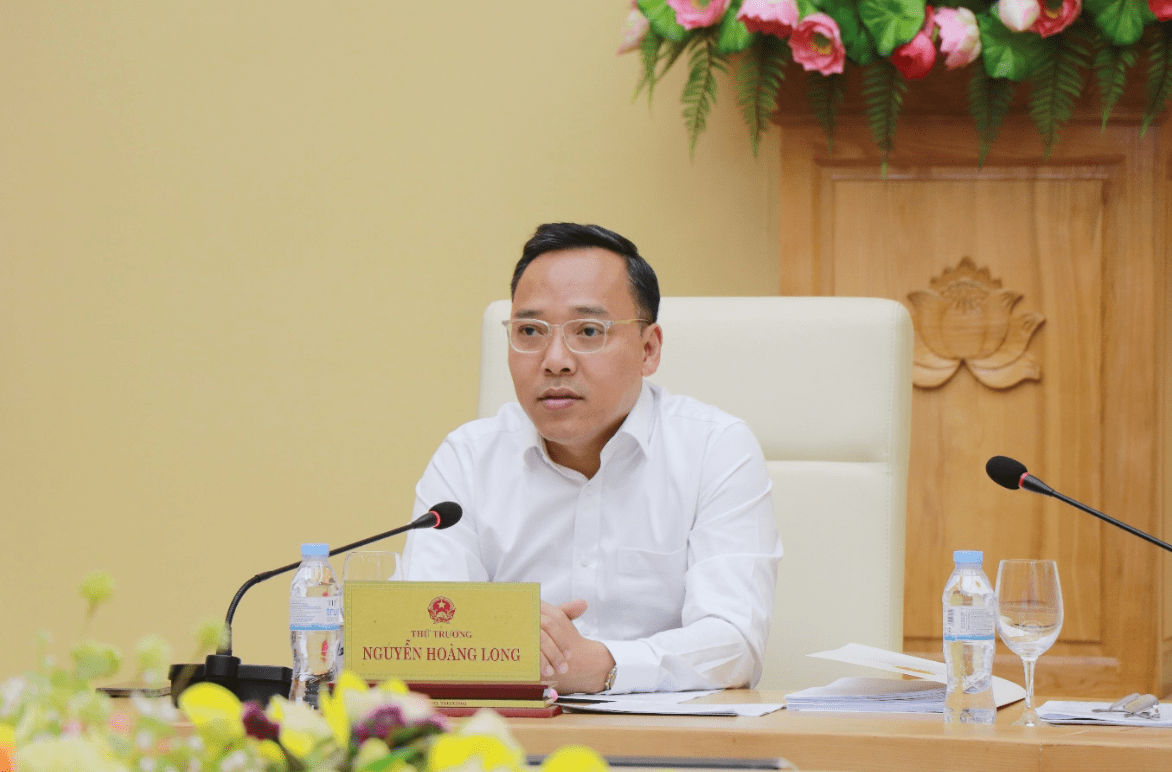
Deputy Minister Nguyen Hoang Long chairs the meeting.
At the meeting, Trinh Duc Duy, Deputy Director of the Department of Oil, Gas and Coal, presented an overview report on imported coal supply for power generation in 2026 and subsequent years.
Regarding coal consumption for electricity generation during the first five months of 2026 and projected demand for the remainder of the year, he stated that, according to the National Power System and Market Operation Company Limited (NSMO), total coal consumption for power generation reached approximately 35.53 million tonnes during the period, equivalent to about 41.66% of the volume projected under the 2026 Coal Supply Schedule for Power Generation, which stands at around 85.28 million tonnes. The results achieved during the first five months of 2026 indicate that coal fuel supply has generally met the operational requirements of the power system.
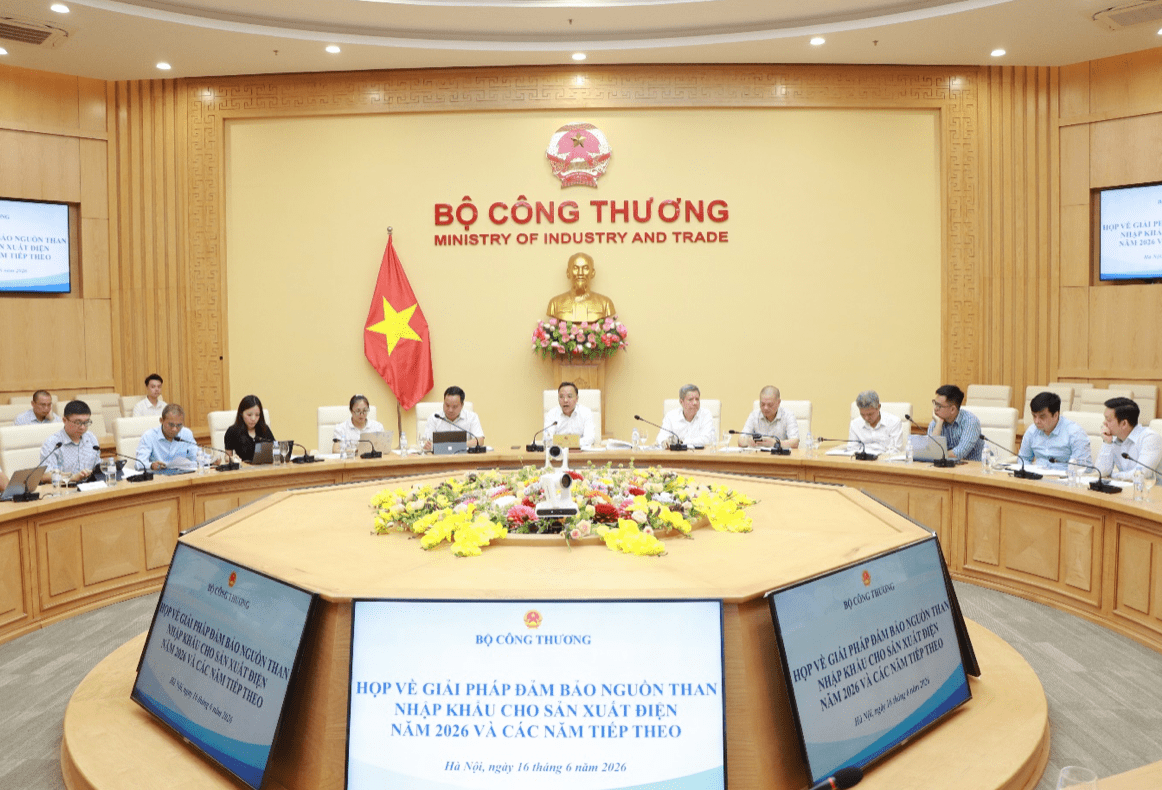
Representatives of MoIT-affiliated units and organizations supplying and consuming coal for power generation attend the meeting.
Actual operation of the national power system shows that demand for coal-fired power generation continues to remain high, exceeding 80 million tonnes annually, while domestic coal production capacity averages only around 40 - 45 million tonnes per year. At the same time, the international environment remains increasingly complex, including military conflicts in the Middle East and changes in Indonesia’s coal mining and export policies. Meanwhile, Vietnam is expected to import approximately 17 - 19 million tonnes of bituminous and sub-bituminous coal for power generation in 2026, accounting for roughly 20 - 22% of the projected total coal demand for electricity production during the year.
During the meeting, representatives of coal suppliers and power producers exchanged views and assessed the current status of coal supply and consumption, as well as the impact of changes in Indonesia’s coal mining and export policies on coal supplies for power generation. Participants also discussed difficulties and challenges encountered during implementation and proposed measures to enhance capacity and efficiency in securing stable imported coal supplies to meet electricity generation needs during the remaining months of 2026 and in the years ahead.
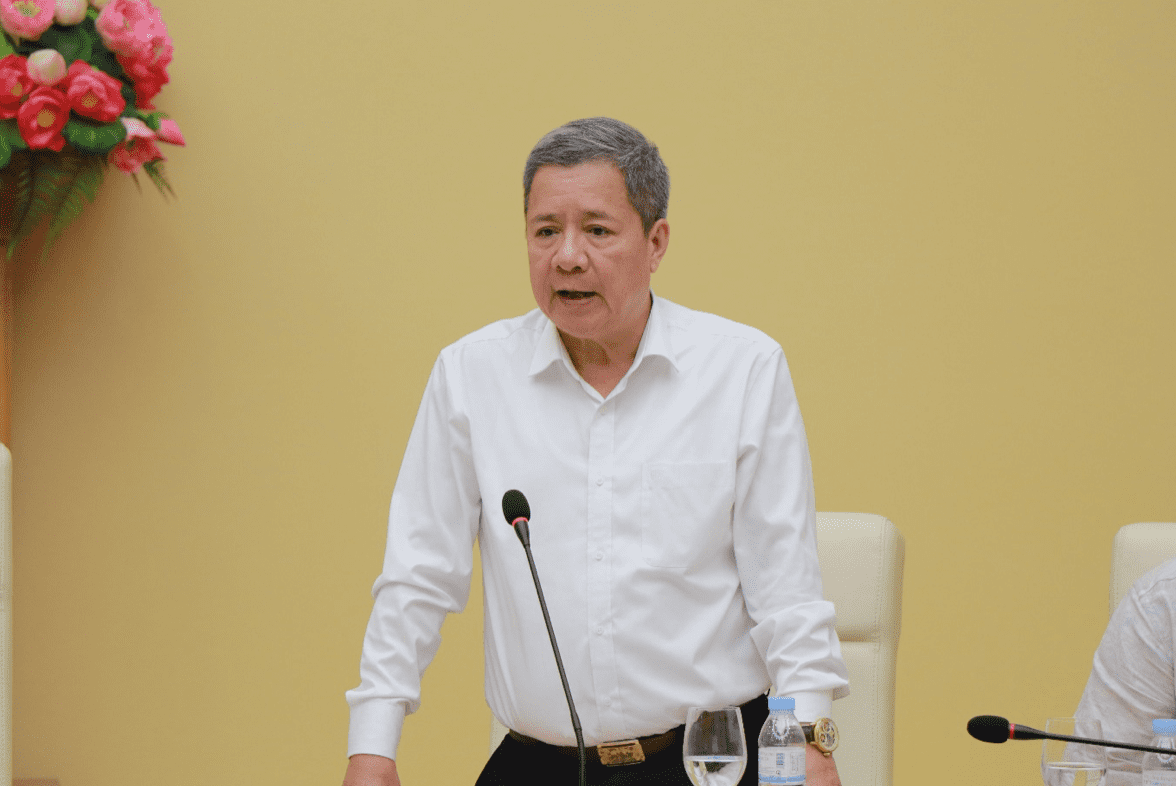
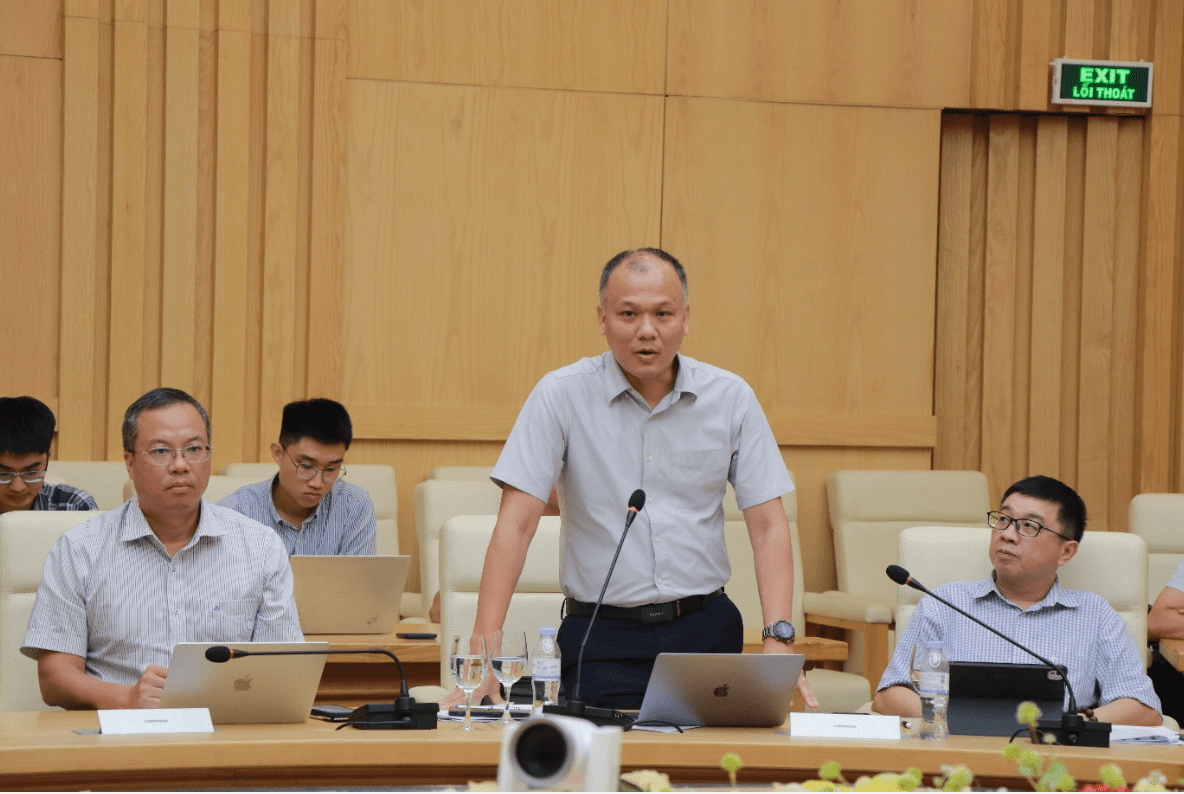
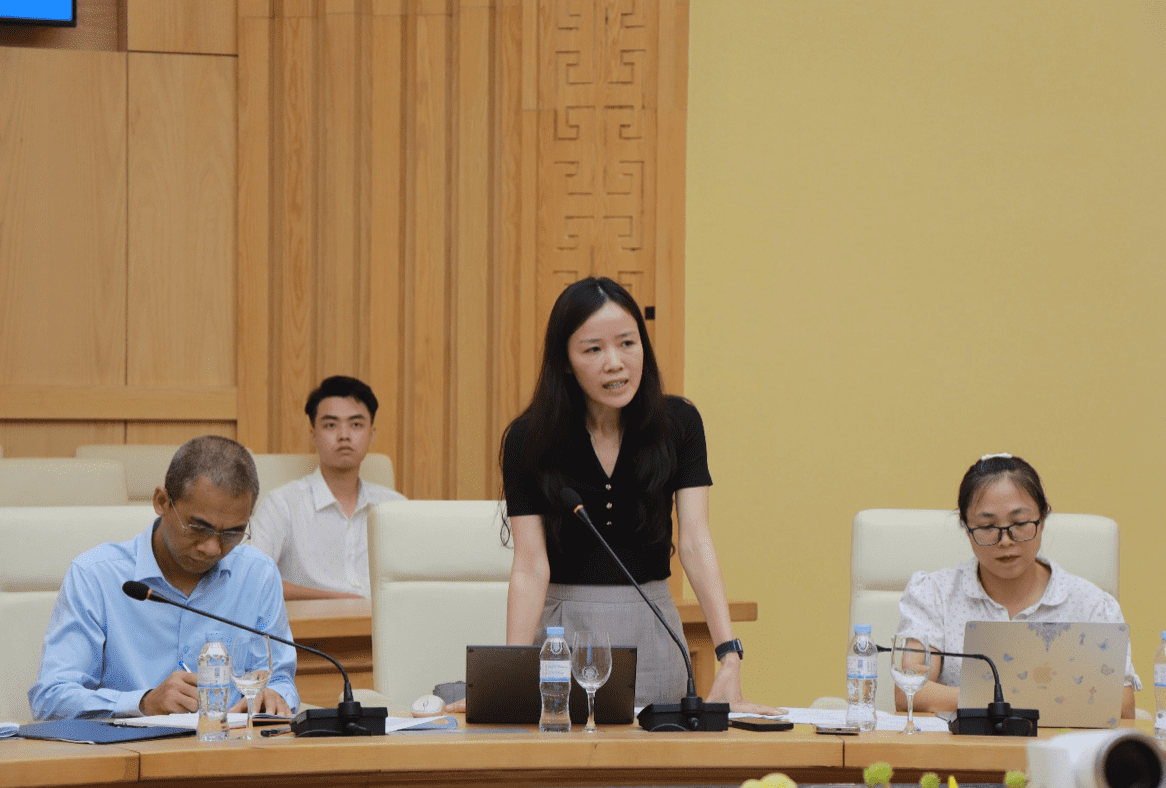
Representatives deliver remarks at the meeting.
At the meeting, the Department of Foreign Market Development also provided updates on Indonesia’s policy regarding the centralized management mechanism for coal exports. On this matter, Vietnam’s Minister of Industry and Trade has sent an official letter to the Indonesian Minister of Energy and Mineral Resources, emphasizing the importance of Indonesian coal supplies to Vietnam. The letter requested Indonesia to continue facilitating coal exports to Vietnam and maintain export volumes in 2026 and subsequent years, while giving priority to the implementation of coal purchase agreements already signed by enterprises from both countries. Such cooperation would contribute to ensuring Vietnam’s energy security and stable electricity production.
In his concluding remarks, Deputy Minister Nguyen Hoang Long acknowledged, commended, and highly appreciated the efforts made by enterprises in securing coal supplies, particularly imported coal, for power generation over the past period, especially during the recent dry season months. He also expressed appreciation for the proactive coordination and close cooperation between relevant entities and MoIT in ensuring sufficient electricity supply to support socio-economic development.
Given the crucial role that coal-fired power plants continue to play in maintaining stable electricity supplies for the national power system and safeguarding national energy security, Deputy Minister Long urged relevant stakeholders to focus on several key tasks in order to proactively respond to increasingly complex developments in the global coal market, including those involving Indonesia.
First, all entities were requested to continue strictly implementing directives issued by competent authorities, the Government, the Prime Minister, and MOIT regarding the assurance of primary fuel supplies for electricity generation.
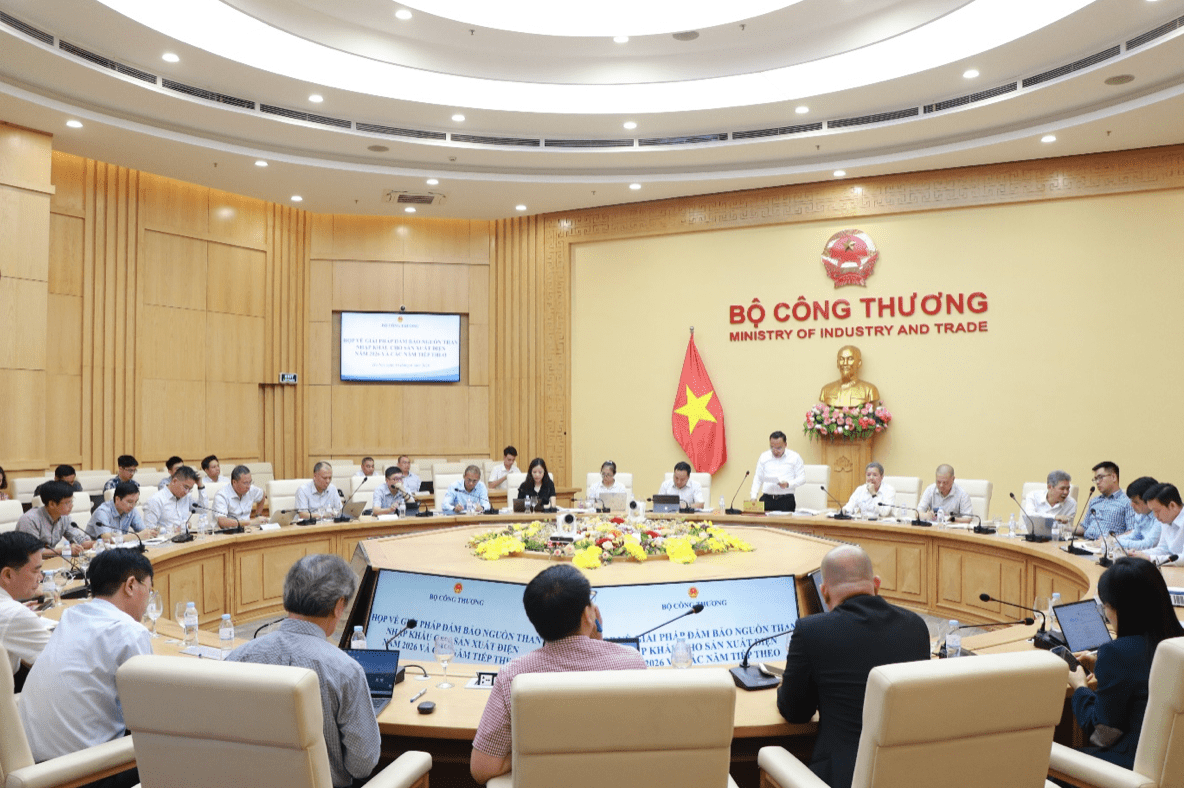
Overview of the meeting.
Second, entities responsible for purchasing and utilizing imported coal were instructed to urgently review all ongoing coal import contracts and proactively engage with suppliers to update contract implementation status, delivery schedules, and potential risks. At the same time, they should develop detailed contingency plans in case traditional imported coal sources are disrupted; diversify coal import sources to reduce dependence on a limited number of traditional suppliers; and actively seek stable, long-term sources with suitable quality characteristics to prevent any risk of supply disruptions for power generation.
“Throughout the process of identifying and developing new supply sources, the Ministry of Industry and Trade will continue to stand alongside enterprises. Should companies require support from MoIT, Vietnam Trade Offices overseas, or diplomatic missions in connecting with suitable partners, they are encouraged to proactively reach out so that timely assistance can be provided,” the Deputy Minister emphasized.
In addition, the Deputy Minister requested that coal importers supplying the power sector study and adopt appropriate coal procurement contract structures, including risk mitigation clauses that ensure contracted volumes and priority delivery rights. Such measures would help minimize the impact of unexpected fluctuations in global coal markets, even in cases where exporting countries impose export restrictions.
The Deputy Minister also encouraged power generation companies to proactively explore the blending of coal grades with similar technical specifications sourced from different markets, while ensuring the safe and efficient operation of boilers and related equipment and compliance with environmental requirements. This would allow greater flexibility in expanding coal procurement markets whenever traditional supply sources face difficulties.
At the same time, he instructed all relevant entities to maintain coal inventories in accordance with prescribed reserve requirements; regularly update information on coal supply capabilities, actual power system operating plans, and developments in domestic and international coal markets in order to support effective management and operational decision-making; and continue close coordination with coal suppliers in planning, receiving, and maintaining appropriate coal stockpiles.
| Furthermore, the Deputy Minister called on relevant entities to strengthen monitoring and information-sharing mechanisms regarding changes in taxation policies, natural resource management regulations, import-export policies, and developments in alternative coal supply markets, thereby ensuring timely responses to market fluctuations. |

