


Record power demand highlights the need for smarter electricity use
As electricity demand continues to reach unprecedented highs, ensuring a reliable power supply depends not only on expanding generation capacity but also on the collective efforts of society to use electricity more efficiently.
Prolonged heatwaves since late May have sent electricity consumption soaring across Vietnam. On June 24, the national power system recorded a peak load of more than 58,400 MW, while Northern Vietnam surpassed 30,200 MW for the first time on record. As increasingly extreme weather and rising demand place mounting pressure on the power system, Newspaper of Industry and Trade spoke with Nguyen Quoc Trung, Deputy Director of the National Power System and Market Operator Company (NSMO), about the challenges facing system operation and the measures being implemented to ensure a secure and reliable electricity supply.
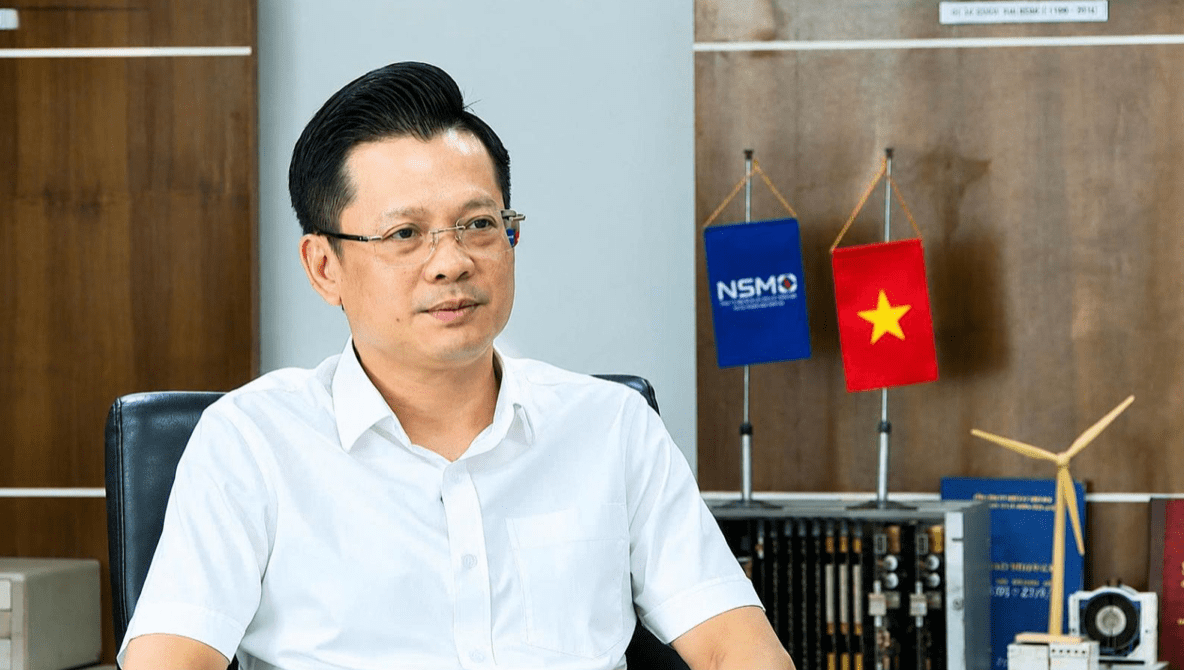
Nguyen Quoc Trung, Deputy Director of the National Power System and Market Operator Company (NSMO). Photo: Quoc Chuyen
New records set as electricity demand continues to surge
- Northern Vietnam's electricity load has exceeded the 30,000 MW threshold. How do you assess electricity demand growth this year, and what challenges does it pose for operating the national power system?
Nguyen Quoc Trung: In 2026, electricity demand has grown remarkably, driven by several key factors.
First, Vietnam's economy continues to perform strongly, leading to higher electricity consumption to support economic growth. This is a trend we have observed for many years and one that reflects positive economic development.
Second, climate change is making weather patterns increasingly extreme. Since the beginning of the year, Vietnam, like many other countries, has experienced three severe heatwaves. In May alone, there were two major heatwaves. The second, which occurred in late May, resulted in new records for electricity consumption nationwide.
From June 21 to June 24, Vietnam experienced a third heatwave. During this period, both the national power system and the Northern power system once again recorded new all-time peak loads.
Specifically, on June 24, peak demand on the national power system exceeded 58,400 MW, while Northern Vietnam recorded a peak load of more than 30,200 MW. These figures surpassed the records established during the late-May heatwave.
This has created considerable operational challenges for the National Power System and Market Operator Company, as well as for Vietnam's power sector as a whole.
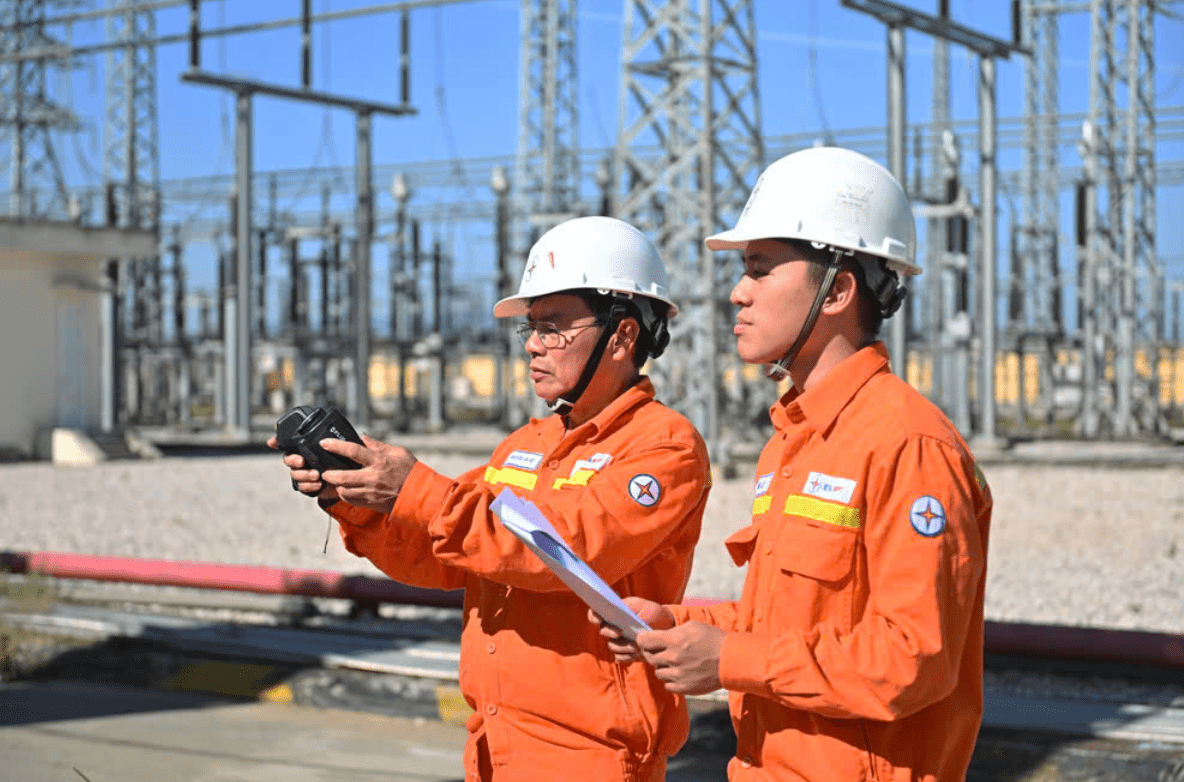
Power workers inspect equipment at the West Hanoi 500 kV Substation at midday on June 24. Photo: Thu Huong.
- With electricity demand increasing so rapidly, what measures has NSMO implemented to ensure the stable operation of the power system?
Nguyen Quoc Trung: We identified this trend at an early stage and promptly reported it to the competent authorities and the Ministry of Industry and Trade. Under the Ministry's proactive guidance and direction, we have implemented a range of decisive and practical measures.
On the generation side, we have worked closely with Vietnam Electricity (EVN), Vietnam National Industry - Energy Group (Petrovietnam), and Vietnam National Coal and Mineral Industries Holding Corporation Limited (TKV) to schedule maintenance at power plants, particularly thermal power stations, ensuring the highest possible availability during the summer peak. At the same time, we have coordinated to secure sufficient fuel supplies so that thermal generating units can operate reliably throughout periods of extreme heat without affecting the stability of the national power system.
Regarding hydropower, with the approval of the Ministry of Industry and Trade and the Ministry of Agriculture and Environment, we have adopted water-conservation strategies at hydropower reservoirs during periods of lower electricity demand, such as weekends and public holidays. This allows valuable water resources to be preserved for periods of peak demand during heatwaves.
Under the direct guidance of the leadership of the Ministry of Industry and Trade, particularly the Minister of Industry and Trade, we have also taken a more proactive approach to dispatching generation resources. In 2026, Vietnam added nearly 4,000 MW of new liquefied natural gas (LNG)-fired generation capacity in the Southeast region. This additional capacity represents an important resource in strengthening the balance between electricity supply and demand across the national power system.
On the transmission side, we have coordinated with EVN, the National Power Transmission Corporation (EVNNPT), and relevant stakeholders to upgrade and enhance the operational readiness of the 500 kV and 220 kV transmission networks, along with key substations, particularly in Northern Vietnam, to ensure uninterrupted electricity supply during periods of extreme heat.
On the demand side, we have worked closely with the regional power corporations, especially the Northern Power Corporation (EVNNPC) and Hanoi Power Corporation (EVNHANOI), to ensure the reliable operation of electricity infrastructure serving customers.
During the recent heatwave alone, EVNNPC deployed nearly 16,000 operational shifts. Tens of thousands of engineers and power sector employees worked around the clock to maintain a safe and stable electricity supply. We have also witnessed encouraging cooperation from electricity consumers, with many businesses and households shifting part of their electricity consumption away from peak hours. Such demand-side participation has become an important resource in reducing pressure on the national power system.
Optimizing available resources to secure electricity supply
- As prolonged heatwaves become increasingly frequent, what recommendations would you offer businesses and households to help reduce electricity costs while supporting a stable electricity supply?
Nguyen Quoc Trung: For residential consumers, we encourage people to use electricity efficiently and responsibly.
Energy efficiency is, in itself, a valuable resource for the power system. If we fully utilize this resource, we can ensure adequate electricity supply for all consumers while reducing the overall cost of electricity generation. We encourage households to use electricity wisely by making greater use of daytime hours, when lower-cost renewable energy sources such as solar and wind power are more readily available.
Energy efficiency is widely regarded as the "first fuel" because it plays a vital role in strengthening energy security and supporting sustainable development.
During the evening, when electricity demand reaches its daily peak, households should operate electrical appliances more efficiently. Air conditioners, for example, should be set at 26°C or above, in line with recommendations from the power sector. Appliances such as washing machines and other non-essential equipment can be scheduled to operate after 11:00 p.m. or during other off-peak periods.
These simple adjustments provide meaningful support to the power system while helping ensure a stable electricity supply for all consumers, both today and in the years ahead.
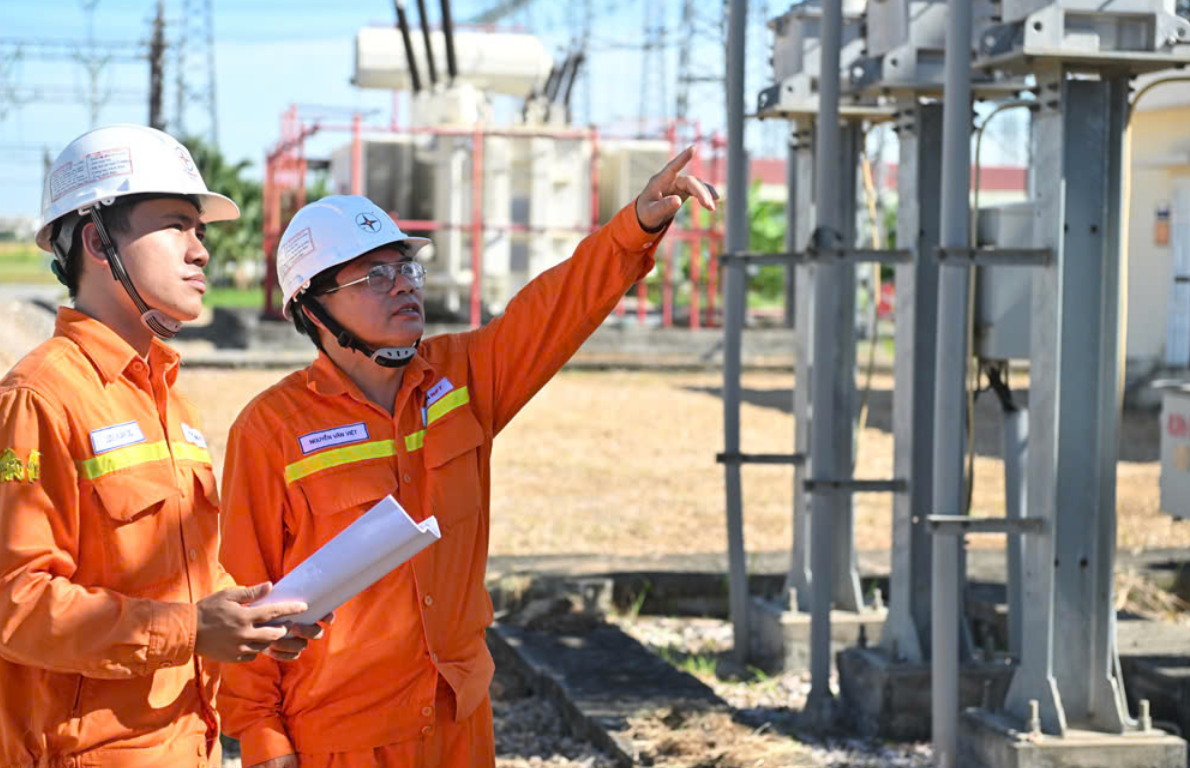
Energy efficiency is widely regarded as the "first fuel", playing a vital role in strengthening energy security and advancing sustainable development. Photo: Thu Huong.
- What will be NSMO's key priorities in the coming period to ensure a reliable electricity supply?
Nguyen Quoc Trung: Going forward, we will continue optimizing all available resources to ensure a secure and reliable electricity supply for both households and businesses.
On the generation side, we will further optimize system dispatch by improving coordination between hydropower and thermal power plants. At the same time, we will continue working with EVN, Petrovietnam and TKV to bring new generating units into commercial operation as early and as reliably as possible.
Several major power projects are expected to come online in the near future, including EVN's Quang Trach 1 Thermal Power Plant.
In parallel, we will continue coordinating with the National Power Transmission Corporation and regional transmission operators to ensure that new substations and strategic transmission lines are commissioned safely and operate reliably, enabling electricity to be delivered efficiently from generation sources to end users.
Energy efficiency remains the most affordable and effective energy resource. Smarter energy use today helps reduce costs and support Vietnam's long-term socio-economic development.
Thank you for your time!

