


Standing Deputy Prime Minister Pham Gia Tuc orders accelerated implementation of key national energy projects
On the morning of May 26, Politburo member and Standing Deputy Prime Minister Pham Gia Tuc, who also serves as Head of the State Steering Committee for nationally significant and priority energy-sector programmes, projects and works, chaired a meeting to review the implementation status and proposed solutions for the revised National Power Development Plan for 2021 - 2030, with a vision to 2050, as well as the progress of key national and strategic energy projects.
At the meeting, Standing Deputy Prime Minister Pham Gia Tuc underscored that, in order to meet the country’s targeted double-digit economic growth, expanding electricity generation is an unavoidable requirement particularly as demand for power continues to rise sharply due to the development of science and technology, data centres, and the growing need for clean energy sources.
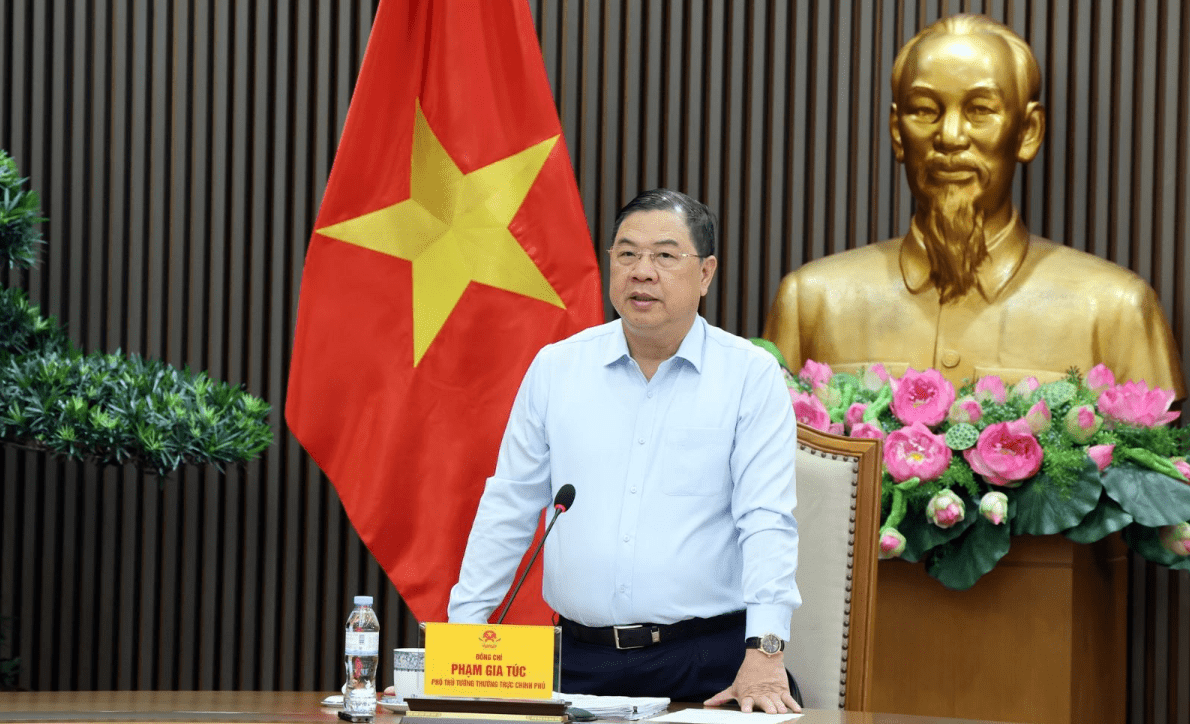
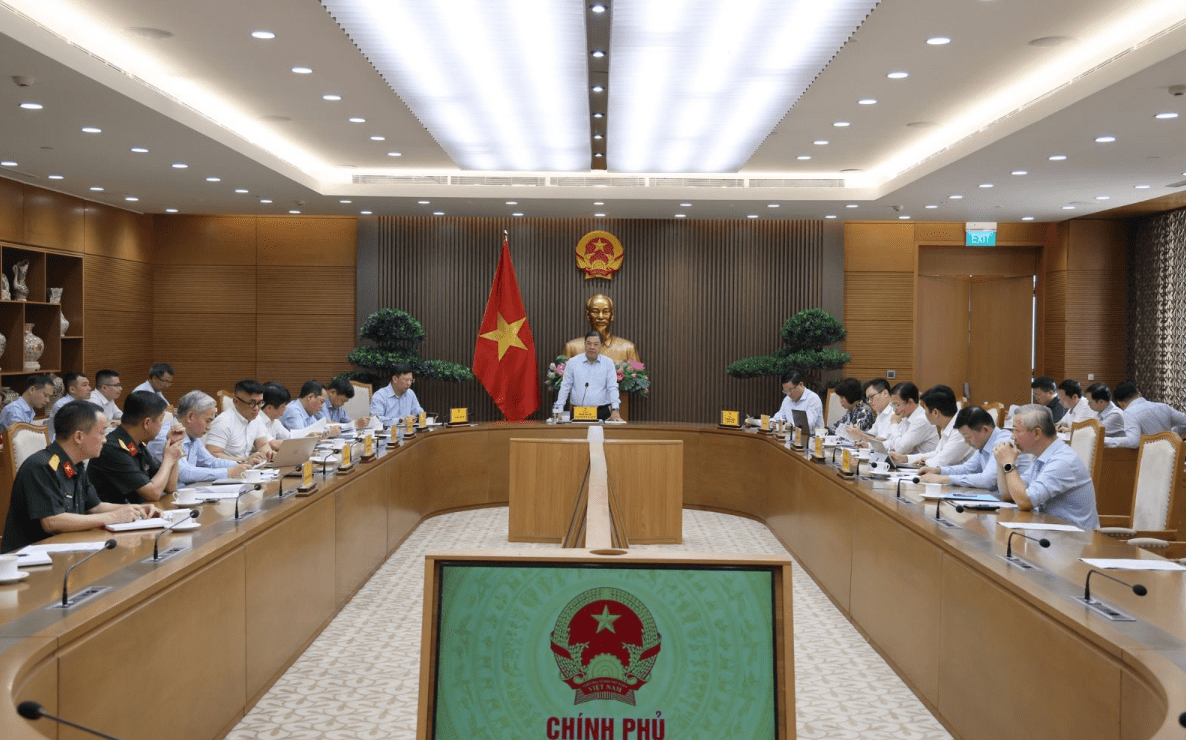
Politburo member and Standing Deputy Prime Minister Pham Gia Tuc, Head of the State Steering Committee for nationally significant and priority energy-sector programmes, works and projects, chairs a meeting to review implementation progress and proposed solutions for the revised National Power Development Plan for the 2021 - 2030 period. Photo: VGP
He noted that several major energy and power projects have recently fallen behind schedule, with some failing to meet the timelines and directions set out under the adjusted Power Development Plan VIII, creating a risk of not achieving the proposed targets.
Against that backdrop, he called on leaders of ministries, agencies, corporations and state-owned enterprises to urgently review the implementation and progress of key energy and electricity projects, identify bottlenecks and obstacles, and propose concrete solutions to accelerate delivery. Responsibilities must be clearly assigned to ministries, sectors, local authorities and the Government, he stressed, adding that “key energy-sector projects must not be allowed to continue falling behind schedule.”
The Standing Deputy Prime Minister also urged ministries, agencies and major enterprises to contribute recommendations to the review, update and adjustment of Power Development Plan VIII to ensure it aligns with growth requirements in the coming period.
Major projects delayed, raising risks to electricity supply
Reporting at the meeting, Minister of Industry and Trade Le Manh Hung stressed that energy security means more than simply ensuring sufficient electricity supply; it also requires maintaining safe and continuous system operations under extreme conditions. At the same time, energy prices must remain affordable for households and businesses without undermining macroeconomic stability.
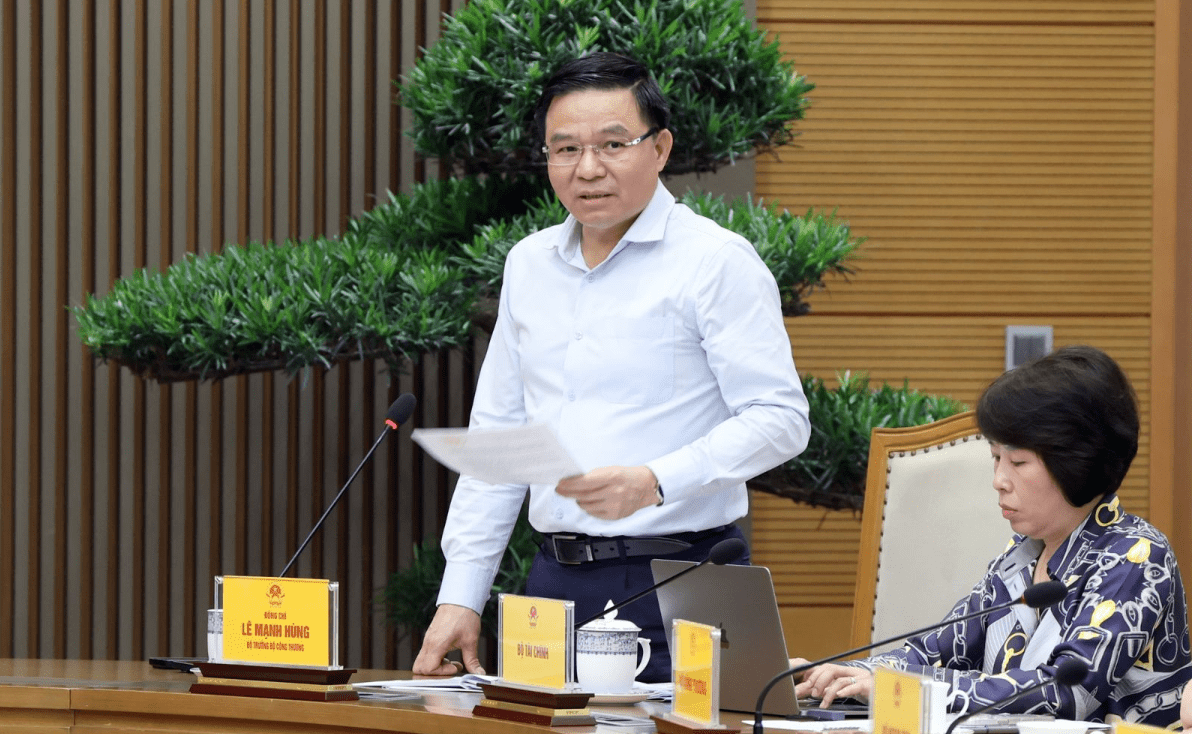
Minister of Industry and Trade Le Manh Hung delivers a report at the meeting. Photo: VGP
Immediately after the revised Power Development Plan VIII was approved, the Government and the Ministry of Industry and Trade issued a series of directives to accelerate critical power generation and transmission projects, while implementing measures to ensure electricity supply during peak demand in 2026 and throughout the 2027 - 2030 period.
However, despite these efforts, the Ministry’s report indicated that many power generation and grid projects remain significantly behind the timelines required for operation before 2030, as stipulated in the plan. This poses a serious threat to future electricity supply capacity and national energy security.
To address the issue, the Ministry proposed an urgent review, update and adjustment of Power Development Plan VIII to improve feasibility, alongside the development of a list of urgent electricity projects for immediate implementation, particularly baseload power projects serving major load centres. It also recommended improving coordination in the operation of integrated hydropower and irrigation reservoir systems.
In addition, the Ministry proposed establishing a reasonable power pricing framework; encouraging the development of renewable energy combined with battery energy storage systems (BESS); implementing electricity demand management programmes and promoting energy efficiency; developing breakthrough mechanisms and policies for offshore wind power and coastal national industrial-energy hubs; advancing modern, high-efficiency coal-fired power plants with carbon capture and storage (CCS) roadmaps; and accelerating power projects that can be deployed rapidly.
Immediate and decisive action required
At the meeting, leaders from the Ministries of Finance, Justice, Agriculture and Environment, Science and Technology, the Government Office, and other relevant agencies agreed that electricity is a critical input for socio-economic development and social welfare, and that safeguarding national energy security must therefore remain a top priority.
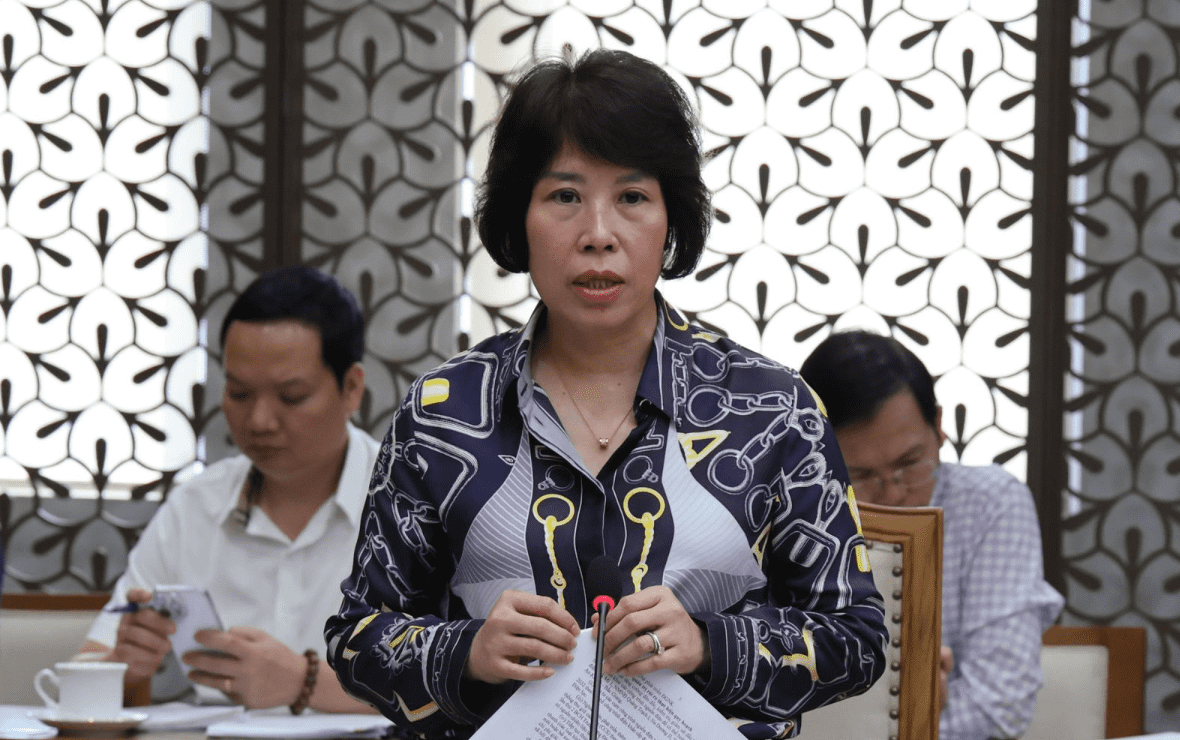
Deputy Minister of Finance Nguyen Bich Ngoc delivers remarks at the meeting. Photo: VGP
Following a review of large-scale and urgent power projects, as well as the implementation of Power Development Plan VIII, participants warned that the risk of electricity shortages would be substantial unless decisive action is taken immediately.
They proposed introducing stricter enforcement mechanisms to strengthen oversight, monitoring and accountability for project investors and local authorities failing to deliver electricity projects on schedule. They also called for improved system dispatch and operational efficiency to ensure economical and effective use of all available power sources.
Regarding the proposed revision of Power Development Plan VIII, participants requested that the Ministry of Industry and Trade clearly explain the necessity, basis, principles and methodology for the adjustment, identify newly emerging factors that justify revisions, and ensure that the updated project portfolio reflects real-world conditions while incorporating accountability mechanisms for delayed implementation.
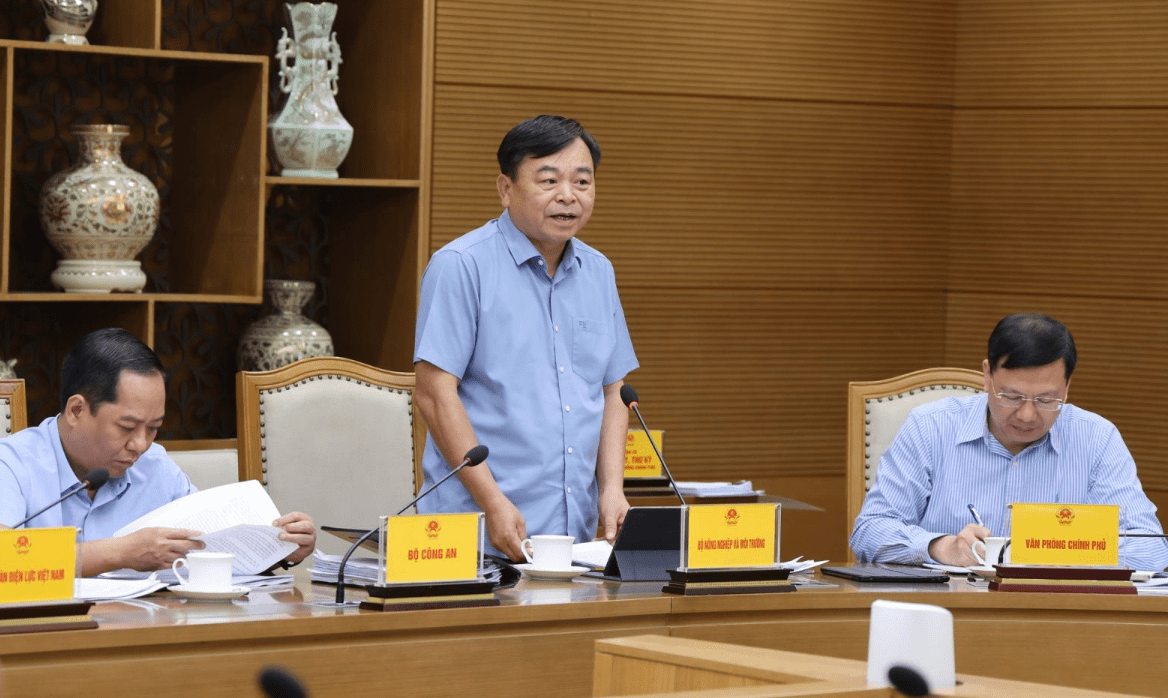
Deputy Minister of Agriculture and Environment Nguyen Hoang Hiep delivers remarks at the meeting. Photo: VGP
As for special mechanisms for key electricity projects, they stressed the need to identify precisely which legal or procedural bottlenecks are causing delays, which categories of projects are affected, and at which stage of the investment process these obstacles arise, so that practical and effective solutions can be developed.
No power shortages under any circumstances
Acknowledging the proactive efforts of the Ministry of Industry and Trade and major state-owned energy groups in proposing measures to prevent electricity shortages, the Standing Deputy Prime Minister stressed that ensuring energy security and adequate power supply is a prerequisite for achieving high economic growth, advancing green and digital transitions, and developing high-tech industries.
Standing Deputy Prime Minister Pham Gia Tuc calls on the Ministry of Industry and Trade to accelerate the implementation of nationally significant electricity programmes, works and priority energy projects in the coming period. Photo: VGP
He stressed that these objectives are fully aligned with Politburo Resolution No. 70-NQ/TW on safeguarding national energy security through 2030 with a vision to 2045, and Conclusion No. 18-KL/TW on the five-year socio-economic development, national finance, public debt and medium-term public investment plan for 2026 - 2030, which supports the goal of achieving “double-digit” growth.
“This is an exceptionally important, strategic, urgent and long-term mission for the country’s development,” he stated.
While commending the Ministry of Industry and Trade for coordinating with ministries, sectors, corporations and state-owned enterprises to carry out assigned tasks and address bottlenecks, the Standing Deputy Prime Minister also called for a frank assessment of ongoing shortcomings in implementing Power Development Plan VIII.
These include prolonged delays in major projects, unresolved land clearance issues, cumbersome investment procedures, insufficient coordination among ministries, sectors and local authorities, and continued instances of responsibility avoidance and bureaucratic delays.
Reaffirming the requirement that Vietnam must not face electricity shortages “under any circumstances,” he instructed the Ministry of Industry and Trade to accelerate all major national and priority energy projects.
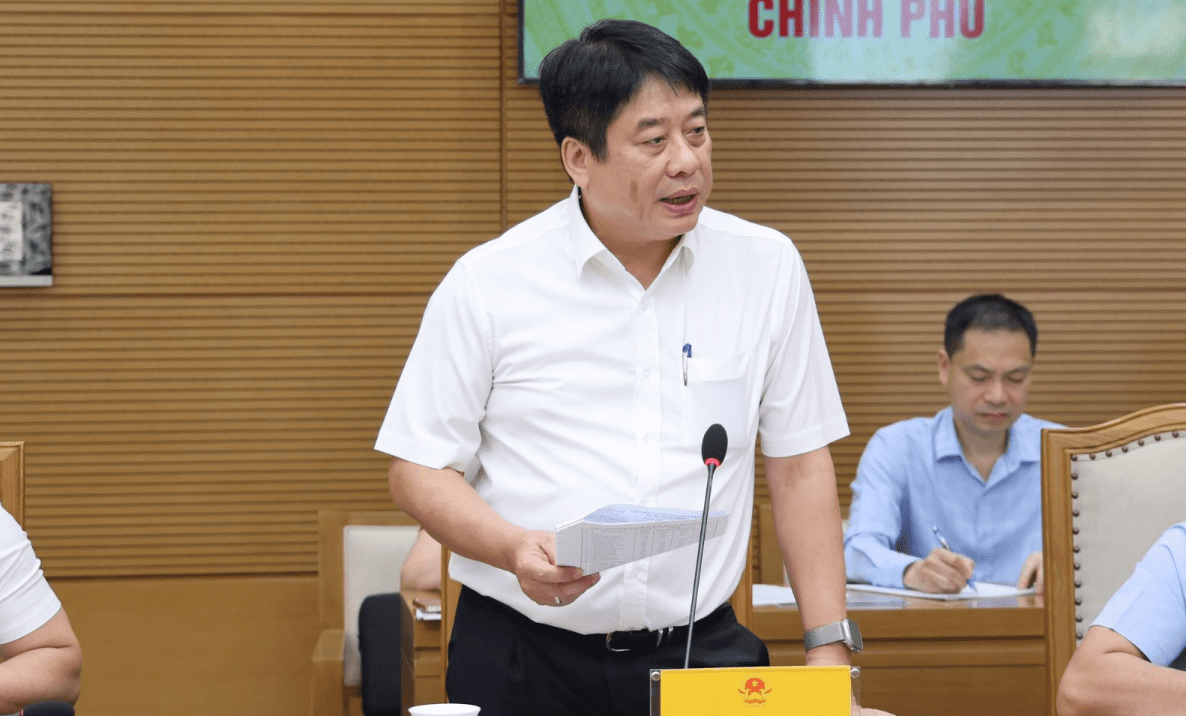
Nguyen Anh Tuan, director of Vietnam Electricity (EVN) delivers a report at the meeting. Photo: VGP
The Ministry must continue serving as the central coordinating body, proactively monitoring implementation progress, promptly reporting to the Steering Committee, and strengthening cooperation with local authorities through on-site inspections to resolve difficulties as they arise, particularly for projects listed under Decision No. 2634/QD-TTg dated December 2, 2025, approving the list of nationally important and priority energy-sector projects.
The Ministry was also tasked with directing local authorities to complete investor selection for power generation and transmission projects under the revised Power Development Plan VIII, ensuring all projects proceed on schedule and contribute to national energy security.
It must also intensify monitoring and enforcement of conclusions and directives issued by the Prime Minister and Deputy Prime Ministers related to strategic energy projects, and bear full responsibility before the Prime Minister for any delays that affect energy security or electricity supply.
“We cannot afford further delays. If necessary, special mechanisms and simplified administrative procedures must be introduced to enable energy projects, especially strategic ones to be implemented earlier, faster and ahead of schedule,” he said.
Strict action against delayed projects
Regarding the review, update and adjustment of Power Development Plan VIII, the Standing Deputy Prime Minister instructed the Ministry of Industry and Trade, in coordination with ministries and local authorities, to urgently review all power sources in the national electricity plan and remove projects that are unlikely to be completed during 2026 - 2030.
These projects should be replaced with more feasible alternatives, particularly reliable baseload power sources.
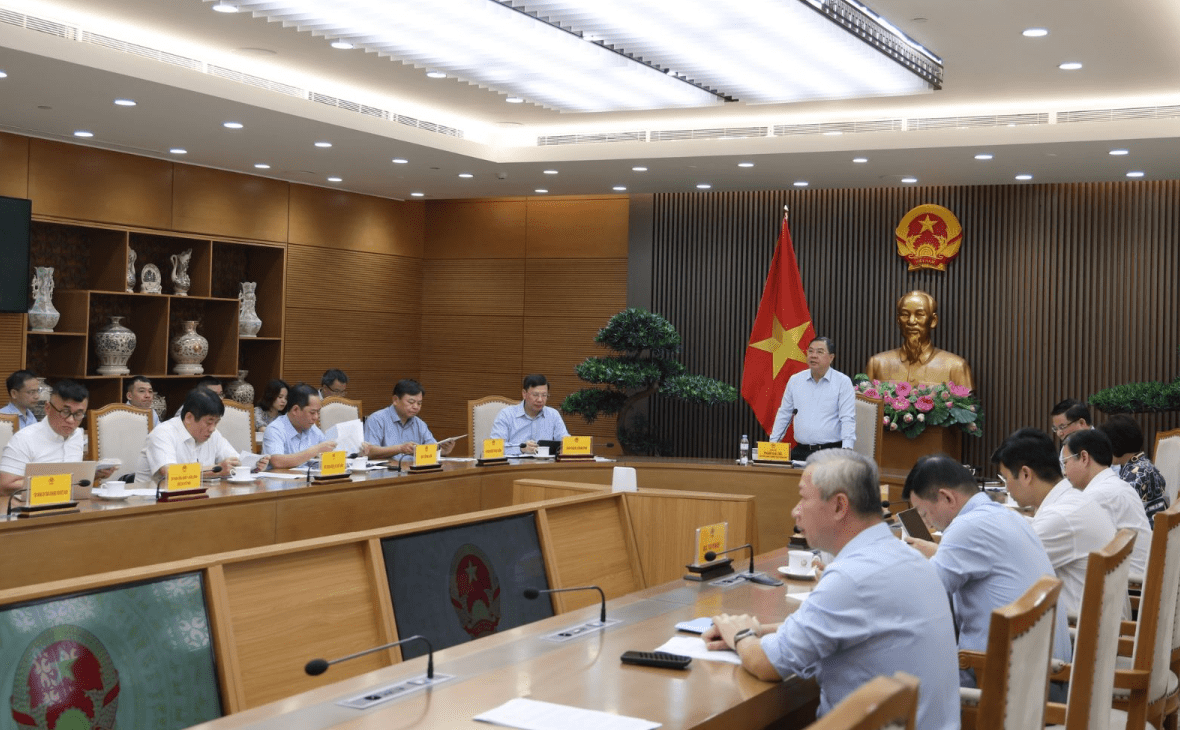
Standing Deputy Prime Minister Pham Gia Tuc also provides guidance on special mechanisms for grid investment projects, prioritising transmission lines to relieve capacity constraints and facilitate electricity imports. Photo: VGP
This may include reasonably scaled coal-fired power development accompanied by a roadmap for emissions treatment and carbon reduction, in line with Conclusion No. 18-KL/TW. Where necessary, emergency mechanisms under the 2024 Electricity Law may be applied.
He also ordered strict action against investors failing to meet committed timelines and called for clearly defined responsibilities for ministries, agencies and local authorities involved in project delivery.
In particular, the Ministry of Industry and Trade will bear ultimate responsibility before the Prime Minister for implementing the national power development plan to support socio-economic growth.
The Ministry was further instructed to comprehensively update national electricity supply-demand scenarios, especially for 2026 - 2030 based on actual project progress, develop contingency plans for potential power shortages, ensure safe and uninterrupted electricity supply, establish periodic review mechanisms to support flexible management, and designate a lead agency responsible for early warning of electricity shortage risks.
Provincial and municipal authorities were also urged to take firm action against project investors that fail to meet approved timelines, ensuring that delays do not compromise national electricity supply.
The Government will prioritise the removal of obstacles affecting urgent power generation and transmission projects under emergency implementation mechanisms provided by the 2024 Electricity Law, immediately resolve difficulties related to LNG power projects, and definitively address longstanding bottlenecks in major energy developments.
The Standing Deputy Prime Minister also issued directions on special mechanisms for grid investment projects, prioritising transmission lines to relieve grid congestion and facilitate electricity imports; developing policy mechanisms for battery energy storage systems (BESS); applying expedited procedures for reviewing and updating Power Development Plan VIII; and issuing a formal list of urgent electricity projects requiring accelerated implementation.

