


Vietnam - Thailand: Expanding and advancing cooperation in trade, investment and green energy
Vietnam - Thailand relations continue to develop positively, opening broader opportunities for cooperation in trade, investment, high technology, green energy and regional supply chains.
At the invitation of Prime Minister of the Kingdom of Thailand Anutin Charnvirakul and his spouse, General Secretary of the Communist Party of Vietnam Central Committee and President of the Socialist Republic of Vietnam To Lam, accompanied by a high-level Vietnamese delegation, will pay an official visit and working trip to the Kingdom of Thailand from May 27 - 29, 2026.
The visit carries special significance as the two countries are approaching the 50th anniversary of diplomatic relations (1976 - 2026), contributing to new breakthroughs and further promoting cooperation within the framework of the Comprehensive Strategic Partnership in a new phase of development.
A reporter from Newspaper of Industry and Trade spoke with Le Huu Phuc, Vietnam’s Trade Counsellor in Thailand, about the notable milestones in Vietnam - Thailand economic and trade cooperation in recent years, as well as new growth drivers for the future.
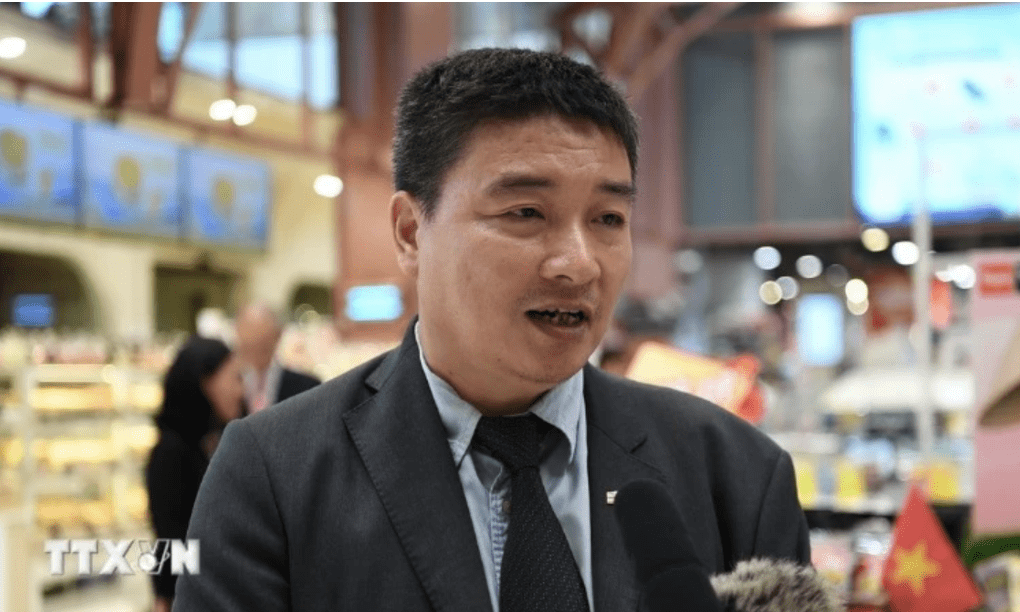
Le Huu Phuc, Vietnam’s Trade Counsellor in Thailand. Photo: VNA
Fifty years of friendship, partnership and development
- Looking back on more than 50 years of the Comprehensive Strategic Partnership, how do you assess the most notable developments in bilateral economic and trade relations in recent years?
Le Huu Phuc: Built upon the foundation of traditional friendship established in 1976 and continuously strengthened over the years, economic and trade relations between Vietnam and Thailand have recorded remarkable progress, becoming a key pillar of the Comprehensive Strategic Partnership between the two countries.
Thailand is currently Vietnam’s largest trading partner in ASEAN, the sixth-largest among Vietnam’s global trading partners, and one of the leading foreign investors in Vietnam.
Bilateral trade has continued to expand steadily. In 2025, two-way trade reached USD 22.1 billion, nearly 2.5 times higher than when the two countries established their Strategic Partnership in 2013, when trade turnover stood at USD 9.17 billion. Entering 2026, the growth momentum has remained strong, with total import-export turnover reaching USD 8.6 billion in the first four months alone, up 23.9% year-on-year.
Importantly, the trade structure has been shifting in a more positive direction. During the first four months of 2026, Vietnam’s exports to Thailand reached USD 3.76 billion, up 37.9%, while imports from Thailand totaled USD 4.84 billion, rising 14.9%. This reflects the improving competitiveness of Vietnamese products in accessing the Thai market. The trade balance is gradually becoming more even, while the trade deficit has steadily narrowed.
Alongside raw materials, minerals and heavy industrial products such as structural steel, many Vietnamese manufactured products have secured a foothold and joined supply chains in the Thai market.
In the technology and processing industries, in addition to products manufactured by foreign-invested enterprises, several Vietnamese digital transformation products have initially gained access to and penetrated the Thai market.
Investment cooperation has also emerged as a major bright spot. As of April 2026, Thailand had 800 investment projects in Vietnam with total registered capital of USD 15.4 billion, ranking eighth among countries and territories investing in Vietnam. Thai investment projects are concentrated in strategic sectors such as renewable energy, petrochemicals, processing industries and retail.
The presence of many leading Thai conglomerates, together with the growing trend of Vietnamese enterprises expanding investment into Thailand, demonstrates the high level of strategic trust between the business communities of both countries.
Supporting sectors such as infrastructure, logistics, aviation, tourism and people-to-people exchanges have also expanded strongly. The two countries currently operate around 400 flights per week, serving approximately four million passenger and trade-related exchanges annually.
Bilateral economic cooperation has simultaneously expanded into new areas such as high technology, services and innovation, leveraging the complementary strengths of the two economies, with Thailand holding advantages in advanced agricultural technology while Vietnam is emerging as a regional manufacturing and technology hub.
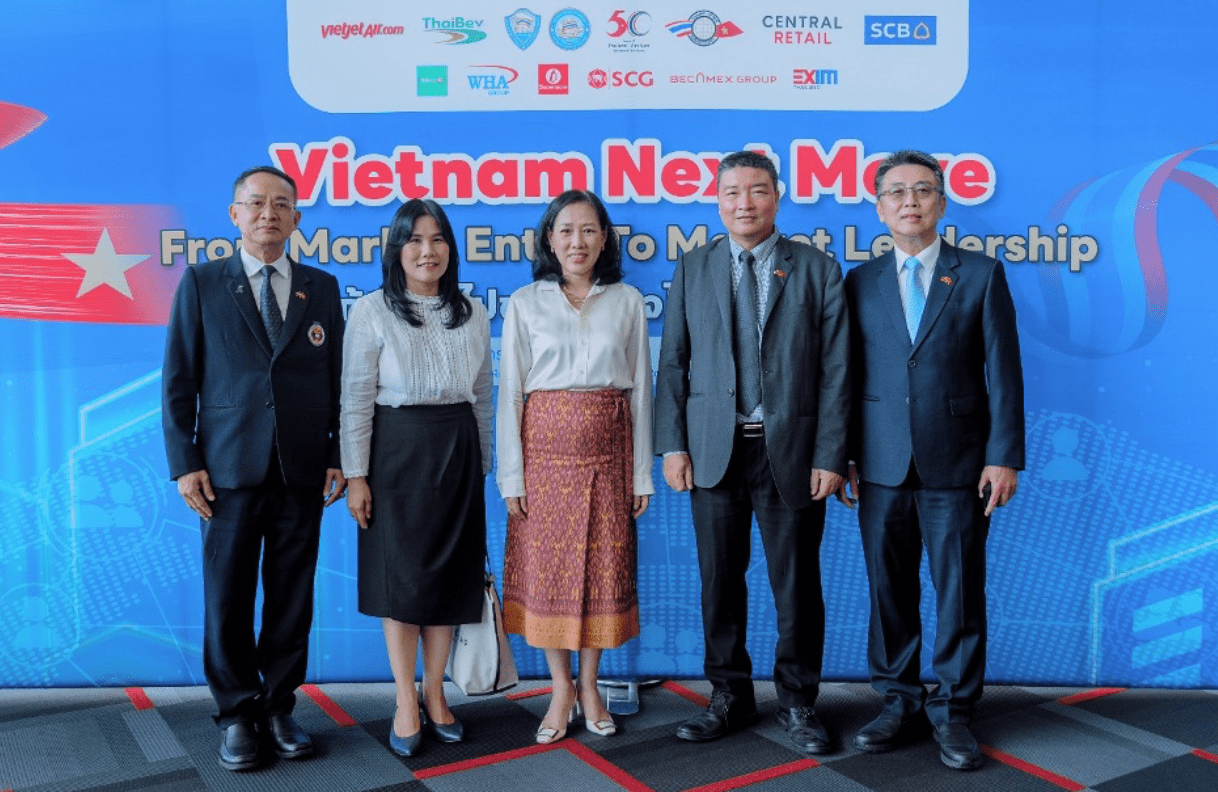
Vietnam Trade Office in Thailand promotes Vietnam’s business and investment environment at Vietnam Next Move. Photo: LHP
- Which sectors could create new business opportunities and breakthroughs in bilateral economic cooperation in the coming period?
Le Huu Phuc: Both economies remain on a growth trajectory, and therefore demand for bilateral cooperation continues to expand. Vietnam and Thailand are entering a new development phase oriented toward sustainability, modernization, green growth, science and technology, and innovation. This forms an important foundation for new growth drivers in bilateral economic cooperation.
Vietnam and Thailand are both facing challenges related to ensuring energy security, applying AI technologies and adapting to shifts in global supply chains. Numerous new business opportunities are emerging as the two countries share common goals and visions while promoting cooperation in renewable energy, green economy, circular economy and digital transformation.
To realize these potential opportunities, the two countries will focus on promoting cooperation along the following directions in the coming period:
First is the “Three Connections” strategy: (i) connecting enterprises within supply chains; (ii) connecting economic infrastructure and logistics systems, including coastal and overland transport routes linking Vietnam - Laos - Thailand to reduce transportation time and costs between the two countries; and (iii) connecting sustainable development strategies such as energy connectivity through joint oil and gas exploration and development projects, integration of automotive industry supply chains, and the linkage of circular and green economic chains.
Second, promoting cooperation in technology-intensive industries such as heavy industrial manufacturing, electronic components, semiconductors and PCB circuit boards. These sectors are increasingly becoming “magnets” for cooperation activities. In the first four months of 2026, exports of computers and components reached USD 1 billion, while machinery and equipment exports totaled USD 434 million, reflecting the close integration of regional industrial value chains.
In addition, high-tech agriculture, deeply processed food products and sustainable tourism continue to hold considerable potential, promising new breakthroughs in the bilateral trade structure.
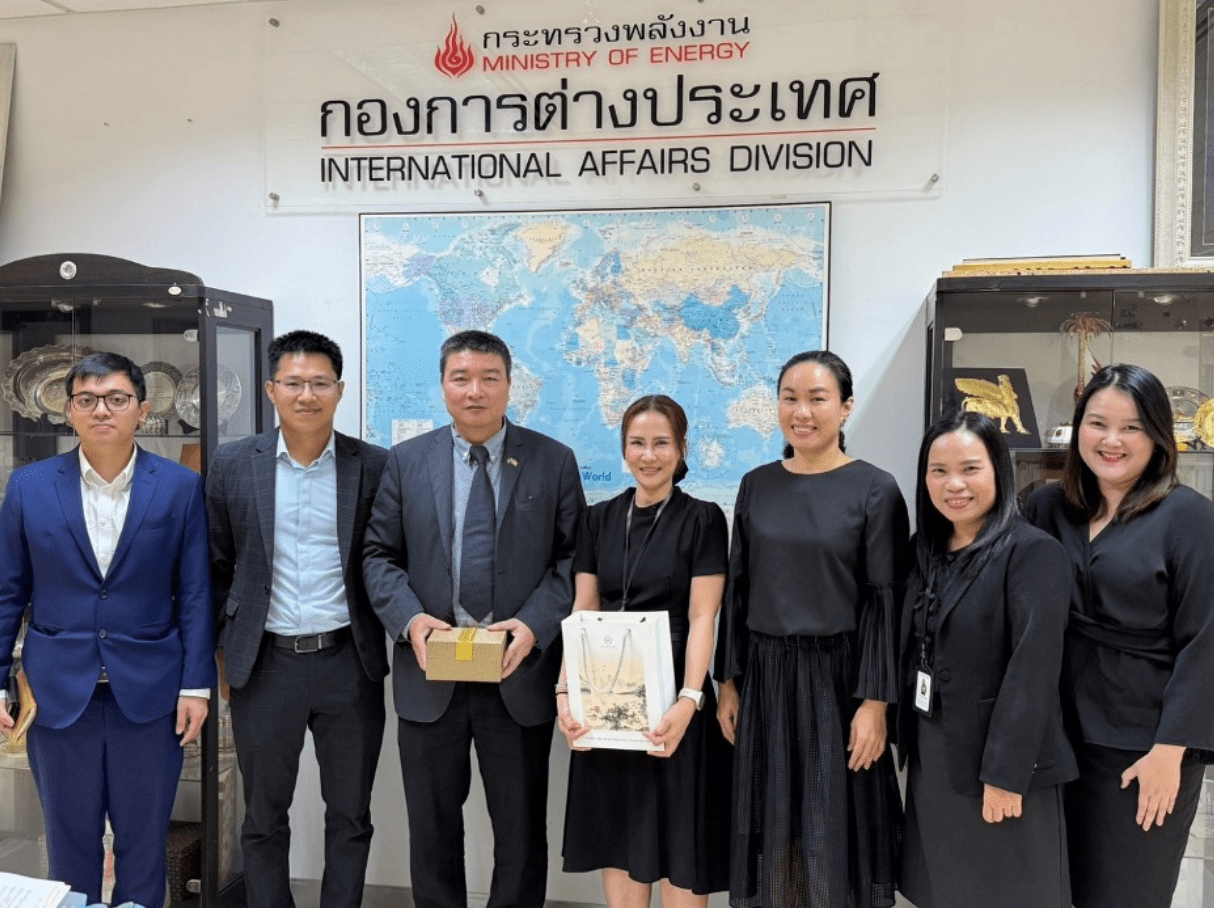
Vietnam Trade Office in Thailand meets representatives of Thailand’s Ministry of Energy to discuss bilateral energy cooperation. Photo: LHP
Significant room for cooperation between businesses of both countries
- As a bridge between the business communities of the two countries, what key measures has the Vietnam Trade Office in Thailand implemented to promote trade, investment and market expansion?
Le Huu Phuc: The Vietnam Trade Office in Thailand always places businesses at the center in pursuit of the bilateral trade target of USD 25 billion.
First, the Trade Office regularly monitors, collects and assesses information on Thailand’s economic development policies, particularly in trade, industry, energy and investment, while strengthening market information and forecasting activities.
Second, we have intensified specialized trade promotion activities. Working closely with businesses, the Trade Office has coordinated the organization of numerous supply-demand connection events, helping Vietnamese products gain direct access to Thailand’s major retail systems such as Central Retail and Big C.
Third, we place strong emphasis on market information, consultancy and trade risk warnings, enabling enterprises to stay updated on consumer trends, import regulations, technical standards and policy changes, thereby enhancing adaptability and minimizing business risks.
Fourth, we are promoting investment and technology cooperation through business matchmaking among enterprises, associations and chambers of commerce of both countries, focusing on promising sectors such as information technology, digital transformation, processing industries and energy.
- What recommendations would you offer Vietnamese enterprises seeking opportunities in the Thai market?
Le Huu Phuc: Thailand is a familiar market, but also a highly competitive one that is rapidly shifting toward sustainable development standards.
First, businesses need to pay close attention to “green and sustainable” standards. Thailand is applying the BCG economic model very rigorously, meaning Vietnamese products seeking a stable presence on Thai supermarket shelves must meet requirements related to environmentally friendly packaging, traceability and clean production processes.
Second, enterprises should thoroughly study consumer culture and distribution systems. Thailand possesses one of the region’s most advanced retail systems. Businesses should proactively participate in “Vietnamese Goods Week” programmes to build brand recognition directly with consumers.
Third, enterprises should make effective use of ASEAN trade agreements and bilateral cooperation frameworks. A thorough understanding of tariff incentives and rules of origin certification can significantly enhance competitiveness.
Fourth, businesses need to proactively comply with technical standards while adapting to digital transformation and e-commerce trends distribution channels that are expanding rapidly in Thailand, particularly in consumer goods, food products, fashion and technology.
Thank you very much for your insights.
| Le Huu Phuc, Vietnam’s Trade Counsellor in Thailand, emphasized that persistence and initiative in seeking strategic local partners remain essential. Vietnam has a large overseas Vietnamese community, with hundreds of Vietnamese-owned businesses in Thailand maintaining strong ties with their homeland. This represents an important resource that can serve as a bridge for Vietnamese enterprises to penetrate the Thai market more deeply and sustainably. |

