


Resolution No. 57-NQ/TW provides strong impetus for science, technology and innovation development in the industry and trade sector
Resolution No. 57-NQ/TW creates strong momentum for science and technology development in the industry and trade sectorImplementing science, technology and innovation tasks under Resolution No. 57-NQ/TW, the Ministry of Industry and Trade has assigned 138 tasks for 2026.
Focusing on strategic technologies
On the afternoon of May 18, the Ministry of Industry and Trade held a conference in response to Vietnam Science, Technology and Innovation Day (May 18), while accelerating the implementation of tasks under Resolution No. 57-NQ/TW in the industry and trade sector. Deputy Minister of Industry and Trade Nguyen Sinh Nhat Tan chaired the conference. The event was attended by representatives from departments and agencies under the ministry, research institutes in the industry and trade sector, and universities affiliated with the ministry.
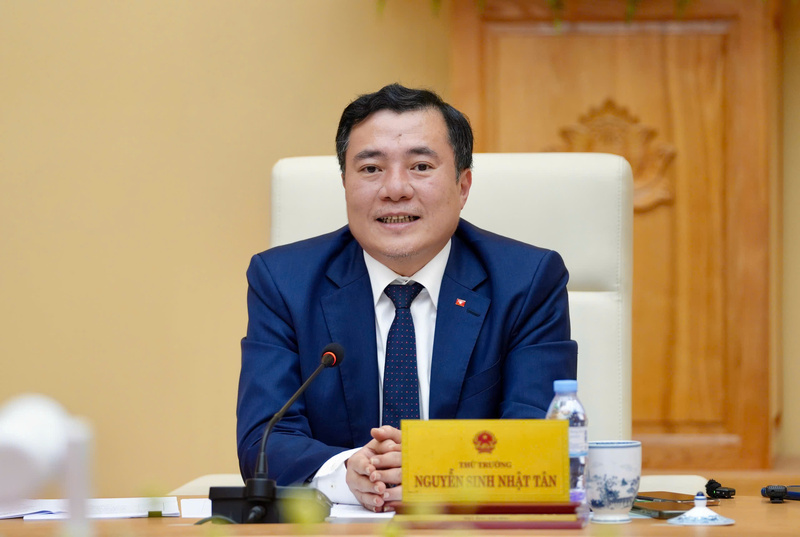
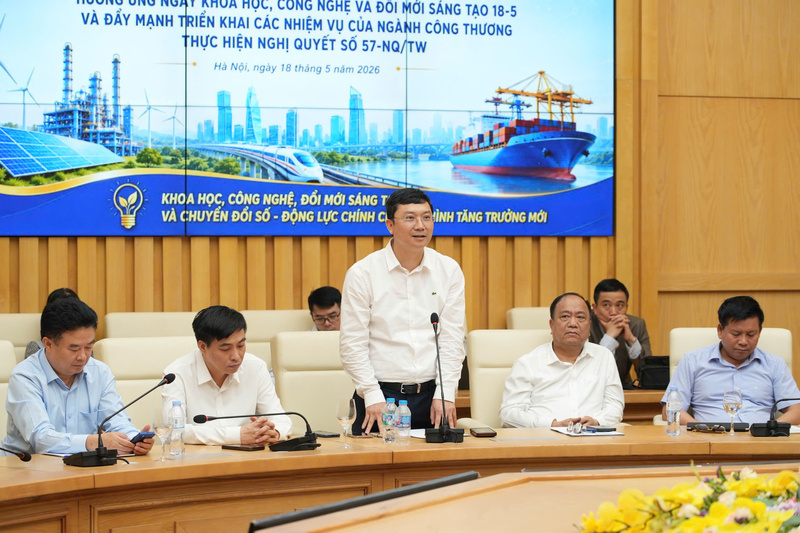
Deputy Minister of Industry and Trade Nguyen Sinh Nhat Tan addresses the conference.
Reporting on the implementation of science, technology and innovation (STI) tasks under Resolution No. 57-NQ/TW at the Ministry of Industry and Trade, Nguyen Thi Lam Giang, Director of the Agency for Innovation, Green Transition and Industry Promotion, said the ministry has assigned 138 tasks for 2026, including 69 tasks with specific deadlines and 69 regular tasks.
The key tasks related to STI development include improving institutions, policies, standards and technical regulations; deploying strategic technologies and strategic technology products; selecting and implementing three to five large-scale tasks with clearly defined outputs; supporting STI enterprises in upgrading and transferring technologies; developing high-quality human resources; and strengthening linkages among the State, universities and enterprises, alongside cooperation with technology partners.
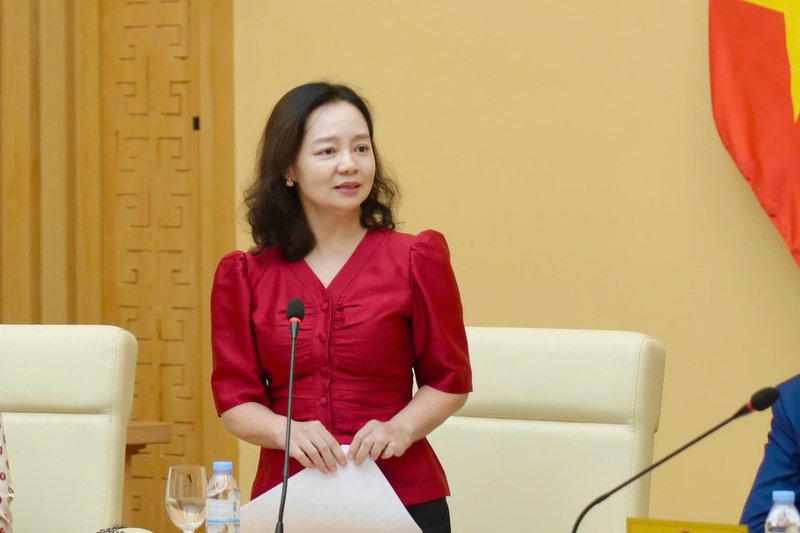
Nguyen Thi Lam Giang, Director of the Agency for Innovation, Green Transition and Industry Promotion, presents a report at the conference.
Emphasising that 2026 will focus on strategic technologies and large-scale tasks, Nguyen Thi Lam Giang said the industry and trade sector’s strategic technology development tasks have been adjusted from Decision No. 1131/QD-TTg to Decision No. 21/2026/QD-TTg. While Decision No. 1131/QD-TTg identified 11 strategic technologies, Decision No. 21/2026/QD-TTg identifies 10 strategic technologies, including digital technology; next-generation mobile networks; robotics and automation; advanced biotechnology and biomedicine; advanced energy and materials technologies; semiconductor chip technology; cybersecurity and quantum technology; marine, ocean and underground technologies; aviation and aerospace technology; and high-speed railway and urban railway technology.
These strategic technologies are divided into two groups: products with established markets and direct impacts on economic development; and products that create new growth drivers and future-oriented foundational technologies, contributing to national self-reliance. Key trends under Decision No. 21/2026/QD-TTg include digitalisation and artificial intelligence (AI), smart manufacturing and green energy, agriculture and biotechnology, mining - marine - oil and gas industries, and modern infrastructure and transportation.
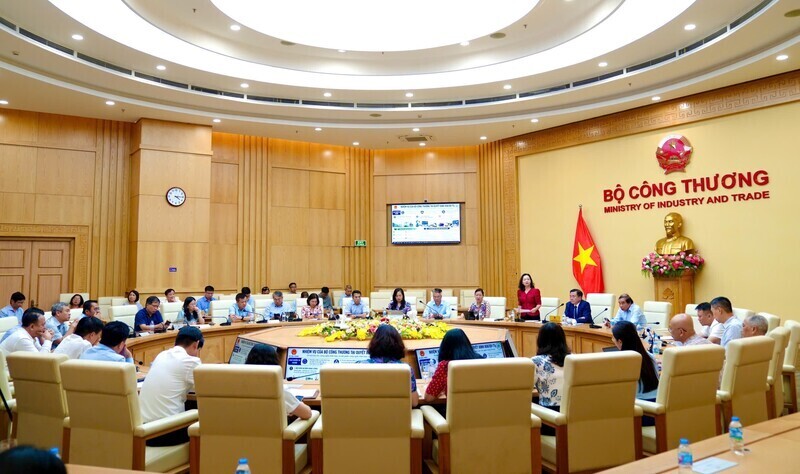
Conference responding to Vietnam Science, Technology and Innovation Day (May 18) and promoting the implementation of tasks under Resolution No. 57-NQ/TW in the industry and trade sector.
Regarding the ministry’s tasks under Decision No. 808/QD-TTg, the ministry will formulate tasks according to the approved list, clearly define outputs and complete them before June 30, 2026; organise implementation, diversify and effectively utilise resources, and take responsibility for progress and outputs; while reporting to the Government’s task force and proposing solutions for issues beyond its authority.
Nguyen Thi Lam Giang also noted that the Ministry of Industry and Trade currently has six approved STI programmes and four others under development. The overall orientation is to align them with strategic technologies and strategic technology products; directly serve the development of priority sectors and industries; and promote research, application and commercialisation.
For the programme supporting smart manufacturing and digital transformation, five major groups of tasks and solutions have been identified: improving mechanisms, standards, technical regulations, indicator sets and knowledge frameworks; enhancing awareness, leadership capacity and digital human resources for enterprises; strengthening linkages among enterprises, research institutes, universities and technology partners; developing and applying digital technologies and infrastructure; and expanding international cooperation and connections with advanced models and partners.
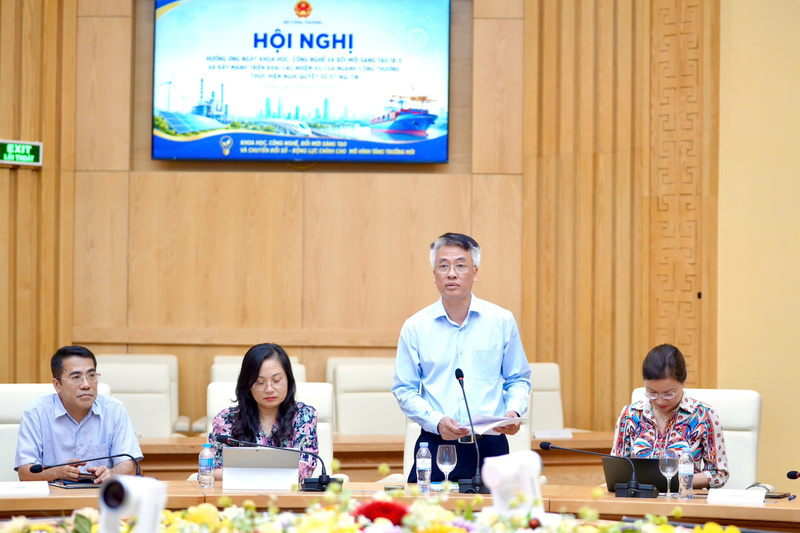
Nguyen Viet Tan, Deputy Director of the Agency for Innovation, Green Transition and Industry Promotion.
The programme for developing several high-tech industries focuses on mastering core technologies, promoting the application and commercialisation of high technologies, and forming highly competitive high-tech industries.
The project on developing the biotechnology industry in the industry and trade sector through 2030 focuses on mastering biotechnology, developing biotechnology enterprises and products associated with sustainable, circular and environmentally friendly value chains.
The programme on improving productivity and quality of industrial products and goods places enterprises at the centre, linking productivity and quality improvements with technological innovation, production development, smart manufacturing and digital transformation.
The ministry-level key science and technology programme for research and development of products along value chains in priority industries during 2021 - 2030 focuses on developing products along value chains, mastering core technologies and enhancing the position of Vietnam’s industries.
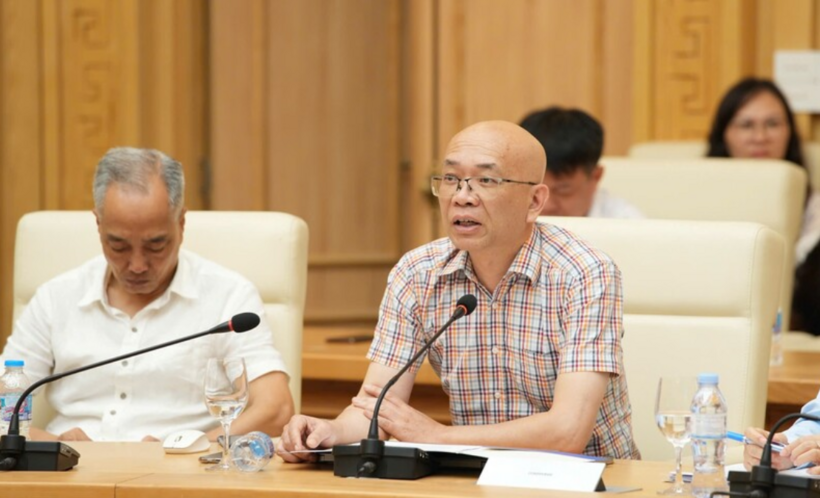
Tran Thanh Hai, Deputy Director of the Agency of Foreign Trade under the Ministry of Industry and Trade, delivers remarks at the conference.
At the same time, the industry and trade sector’s tasks related to developing Vietnamese standards (TCVN) and technical regulations (QCVN) will focus on accelerating the formulation, review and completion of standards and technical regulations serving state management, industrial production and market integration.
Driving force for enhancing competitiveness
Addressing the conference, Tran Thanh Hai, Deputy Director of the Agency of Foreign Trade under the Ministry of Industry and Trade, said the implementation of Resolution No. 57-NQ/TW provides an important opportunity to comprehensively innovate state management methods in import-export activities, logistics services, certificates of origin, border trade and trade facilitation in a modern, smart and digital direction.
Based on its assigned functions and tasks, the Agency of Foreign Trade has proposed several orientations, initiatives and key tasks: developing national digital data infrastructure for import-export activities, border trade, logistics services and certificates of origin; promoting the deployment of strategic technologies in import-export management, border trade, logistics services and certificates of origin; building a national digital logistics coordination platform; accelerating digital transformation and trade facilitation at border gates; and developing digital human resources and innovation in the industry and trade sector.
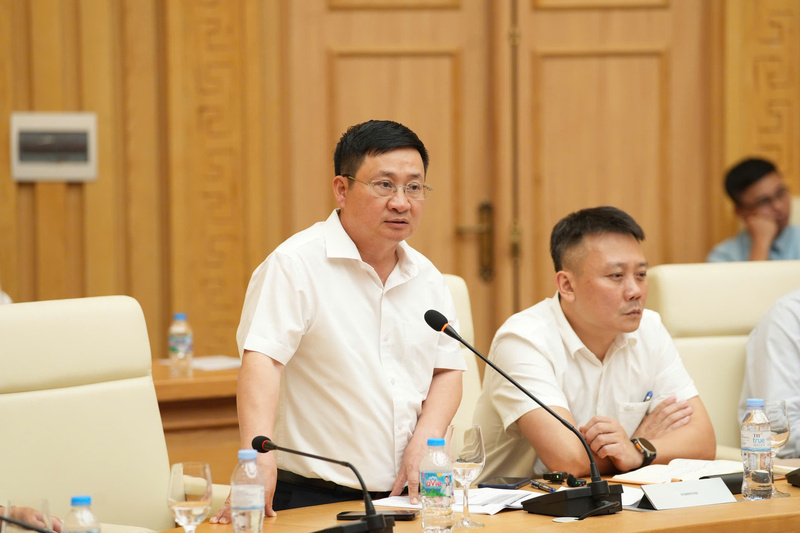
PhD. Phan Dang Phong, Director of the National Research Institute of Mechanical Engineering.
Amid intensifying strategic competition and strong global digital and green transitions, promoting science, technology and innovation development, alongside deploying strategic technologies in import-export activities, logistics and trade facilitation, is not only an urgent requirement but also an important driver for enhancing national competitiveness, developing the digital economy and promoting sustainable international economic integration.
“The Agency of Foreign Trade will continue to closely coordinate with units under the ministry, ministries, sectors, localities, associations and the business community to effectively implement the assigned tasks in line with the spirit of Resolution No. 57-NQ/TW,” Tran Thanh Hai stressed.
Presenting a paper on the need for special mechanisms and policies to develop mechanical engineering products with large market demand during 2026 - 2045, PhD. Phan Dang Phong, Director of the National Research Institute of Mechanical Engineering, said forecasts indicate that the domestic market during this period will be large enough to create new momentum for the mechanical engineering sector, but appropriate priorities must be identified.
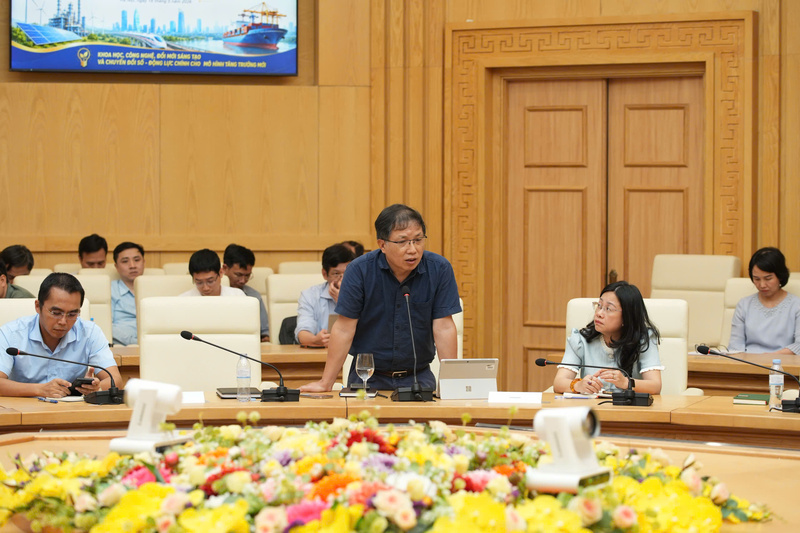
Assoc. Prof. Dr. Vu Nguyen Thanh, Director of the Food Industries Research Institute.
According to Phan Dang Phong, priority sectors should include railways, energy, power grids, mineral exploitation and processing, shipbuilding, automobiles and motorcycles, electrical equipment, agricultural machinery, complete equipment systems and post-investment technical services. These sectors not only have large market capacity but also possess strong spillover effects for supporting industries and the formation of core mechanical engineering enterprises.
In other words, opportunities for Vietnam’s mechanical engineering industry lie within the domestic market itself. The key issue is how to transform investment demand into specific orders, technology transfer tasks and localisation requirements for Vietnamese enterprises. Without clear implementation mechanisms, most equipment value in major projects will continue to belong to foreign contractors and suppliers.
Nguyen Van Tu, Deputy Director of the Vietnam Petroleum Institute (VPI).
“Breakthrough mechanisms and policies in the coming period should focus on sectors with large market capacity, high spillover effects and the potential to help Vietnamese enterprises move into design, system integration, project management and equipment manufacturing. Support policies must be conditional, time-bound, measurable and linked to outputs. They should not be spread across the entire sector but instead focus on key mechanical engineering products, core enterprises, priority projects and high value-added stages,” Phan Dang Phong proposed.
Creating momentum for development
Concluding the conference, Deputy Minister Nguyen Sinh Nhat Tan affirmed that the industry and trade sector possesses many science and technology products with high practical applicability. To maintain the strong growth momentum achieved in recent years, the sector needs to continue creating breakthrough products with high technological content and added value, thereby generating momentum for development.
Commending units participating in science and technology activities, Deputy Minister Tan said Resolution No. 57-NQ/TW has created significant momentum for science, technology, innovation and digital transformation development. This is not only a trend but also a mandatory requirement for implementation to help the country achieve stronger development and move toward double-digit growth targets.
According to the deputy minister, the spirit of the resolution has been widely disseminated through communication and awareness-raising efforts. More importantly, major orientations and policies have been translated into practical programmes, plans and actions.
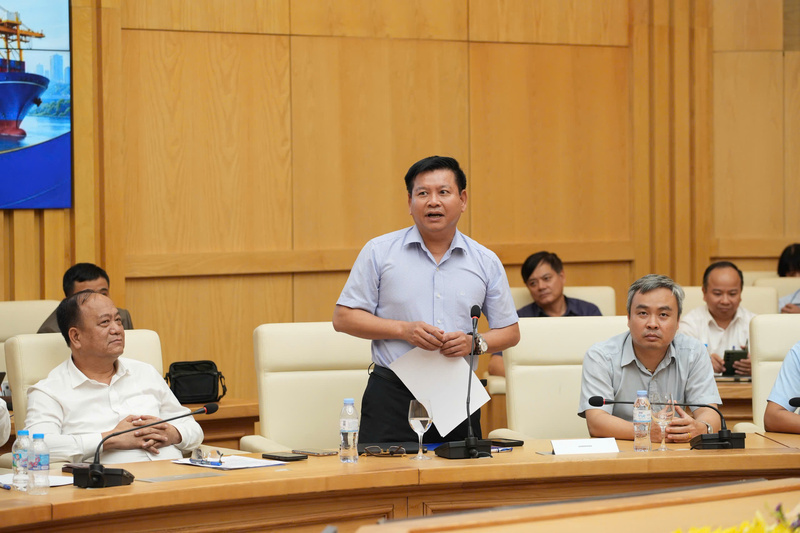
Assoc. Prof. Dr. Dinh Van Chau, Rector of the Electric Power University.
The Prime Minister has issued Decision No. 21/2026/QD-TTg and Decision No. 808/QD-TTg. In addition, the Ministry of Industry and Trade has also promulgated relevant decisions. To date, key task groups, major challenges and lists of strategic technologies have been clearly identified, making implementation directions more concrete.
From this reality, the deputy minister called on units to be more proactive and bold in implementation, especially in breaking down major tasks into smaller, practical and feasible actions to ensure effective implementation. He also stressed the need to strengthen cooperation and coordination among institutes and universities in science and technology activities. The deputy minister assigned the Department of Innovation, Green Transition and Industrial Promotion to establish a network to connect resources and link with markets.
Regarding the implementation of major tasks, key challenges and strategic missions, Deputy Minister Nguyen Sinh Nhat Tan requested that, following the conference, units boldly propose and register to undertake specific tasks within the identified list, while proactively proposing additional practical tasks aligned with their capacities. According to the deputy minister, this is essential to quickly translate major policies into practice.
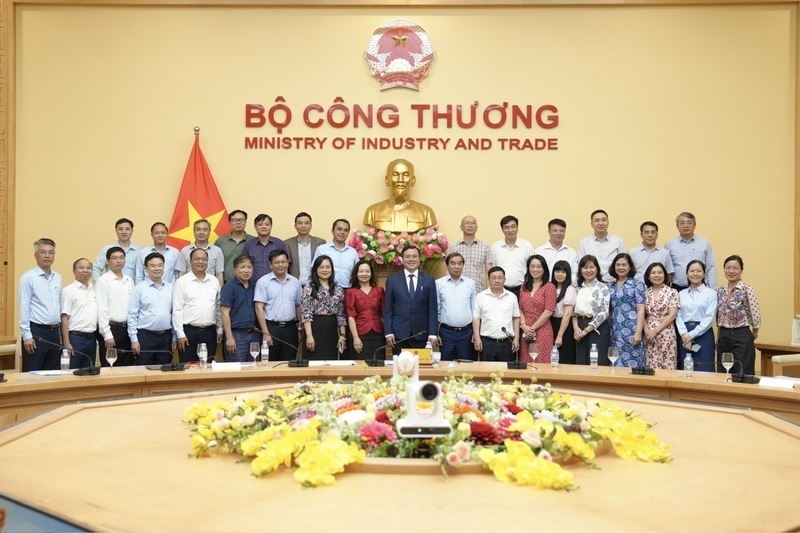
Deputy Minister of Industry and Trade Nguyen Sinh Nhat Tan and delegates attending the conference.
The deputy minister also requested the Agency for Innovation, Green Transition and Industry Promotion and relevant units to proactively coordinate in assigning, commissioning and implementing tasks.
“Currently, mechanisms for package-based task assignment, risk acceptance and technology transfer markets are already in place. The important thing is that we must boldly place orders, boldly assign tasks and aim for specific outputs,” the deputy minister stressed.
In addition, the deputy minister called for greater attention to standards, technical regulations, testing and experimentation. “With new thinking and new approaches in implementation, we expect to create fresh momentum for science, technology, innovation and digital transformation in the industry and trade sector,” he said.
| For the industry and trade sector, science, technology, innovation and digital transformation have been identified as key pillars and important drivers for modernising production, improving productivity, quality and competitiveness; developing green industry, modern trade and smart logistics; and ensuring energy security. |

