


Global fuel crisis: Nations roll out urgent response measures
Supply shocks at Hormuz drive fuel prices higher, with nations activating emergency measures to stabilize markets and ensure supply.
Disruptions in the Strait of Hormuz are pushing global energy markets into sharp volatility, on a scale considered to exceed the oil shocks of the 1970s, forcing many countries to urgently deploy measures to secure supply and stabilize their economies.
On March 22, the International Energy Agency (IEA) warned that disruptions in the Strait of Hormuz are creating the “largest energy bottleneck in history,” as a route carrying around 20% of global oil and gas supply has been nearly paralyzed since late February. According to the IEA, about 11 million barrels of oil per day and 140 billion cubic meters of gas have been disrupted, pushing crude prices above USD 100 per barrel and driving up overall energy costs.
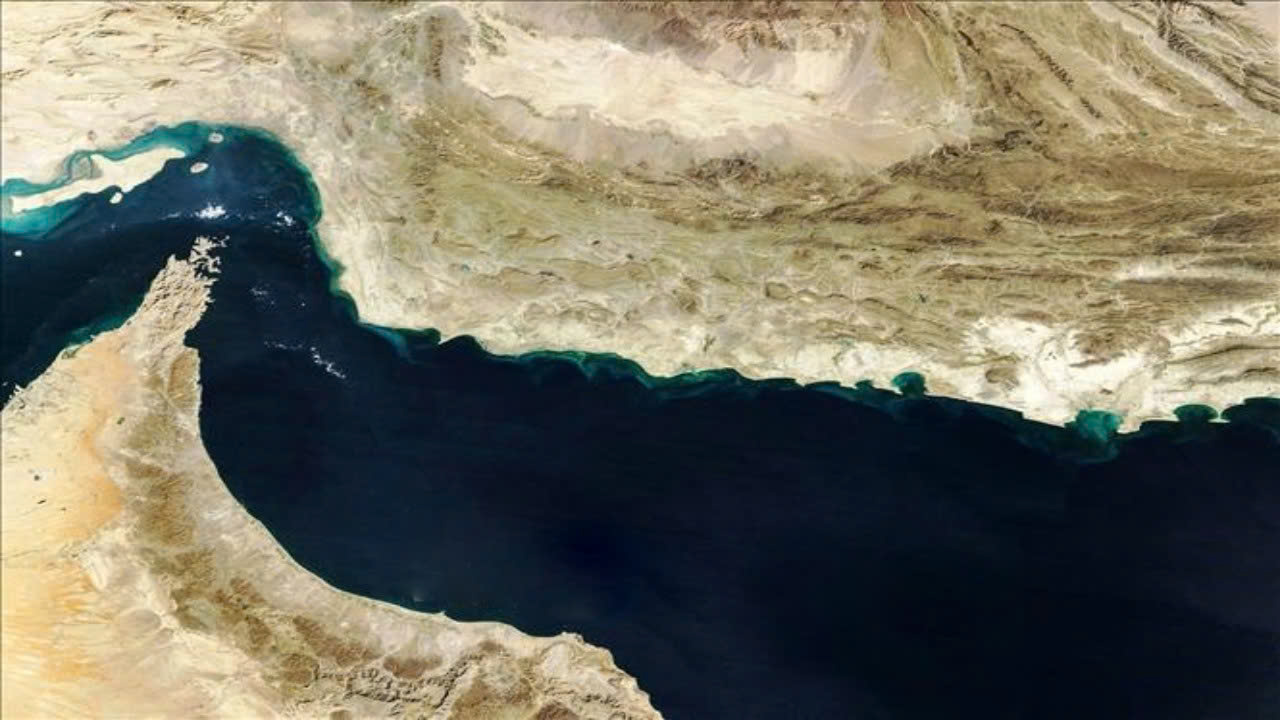
Strait of Hormuz.
The IEA noted that the impact of the crisis extends beyond fuel prices, spilling over into inflation, import costs and economic growth. Its scale and severity are seen as surpassing the oil shocks of the 1970s which upended the global economy, as well as the energy crisis during the Russia - Ukraine conflict.
At a time when supply chains have yet to fully recover and inflation remains elevated, the current shock is regarded as one of the most severe energy disruptions in decades, with far-reaching effects on production, trade and daily life.
In response, the IEA has coordinated the release of around 400 million barrels of oil from strategic reserves, the largest intervention on record and said it stands ready to deploy additional reserves if needed. However, the agency emphasized that current measures are primarily aimed at mitigating economic impacts, while the fundamental solution remains the restoration of normal operations in the Strait of Hormuz.
In practice, supply disruptions have forced many refineries in Asia to cut output, while in Europe, gas prices have surged by more than 60%, driving up both production and living costs. In France, gasoline prices are hovering around 1.87 euros per liter and diesel at approximately 2.03 euros per liter, placing significant pressure on households and businesses.
Amid growing instability in fuel and gas supplies, many countries have moved swiftly to curb the impact of soaring prices. In South Korea, President Lee Jae Myung has called for fuel price caps and preventive measures to stabilize both prices and foreign exchange markets. In Hungary, the government has capped retail prices at 595 forints per liter for gasoline and 615 forints for diesel, while also tapping national oil reserves to ensure supply.
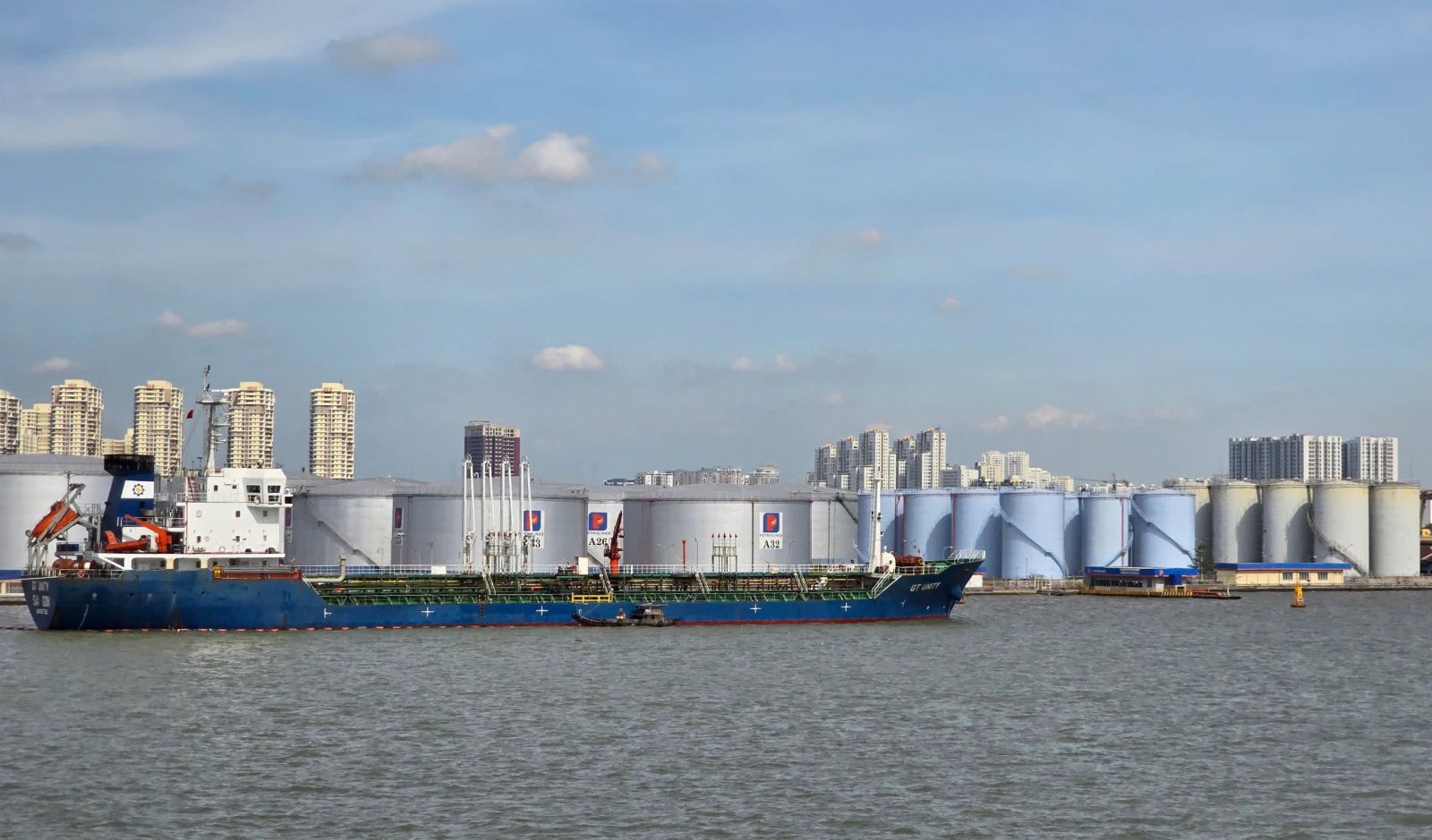
Meanwhile, Slovenia has introduced fuel purchase limits, allowing private vehicles to buy no more than 50 liters per day, while businesses and priority groups are capped at 200 liters. Some companies, such as MOL Group, have imposed even stricter limits of 30 liters for individual customers.
As the situation evolves, many countries continue to roll out policy measures to ease price pressures and safeguard energy security. Across Europe, governments are combining price controls with tax policies; Germany and Austria are managing the frequency of price adjustments to limit market volatility, while Spain has introduced a 5 billion euro support package and cut energy VAT from 21% to 10%.
In Asia, which is directly affected as a large share of oil and LNG flows through Hormuz, many countries are focusing on reducing consumption and securing supply. Sri Lanka has imposed fuel quotas; the Philippines has implemented a four-day workweek in the public sector; and Thailand is considering price caps and vehicle restrictions. South Korea and Japan are also tightening price controls and boosting reserves.
In Vietnam, as a net importer of petroleum products, global price fluctuations have quickly transmitted into the domestic economy. However, regulatory measures have been implemented early, proactively and in a coordinated manner, ensuring that domestic supply remains largely stable without widespread disruptions or shortages.
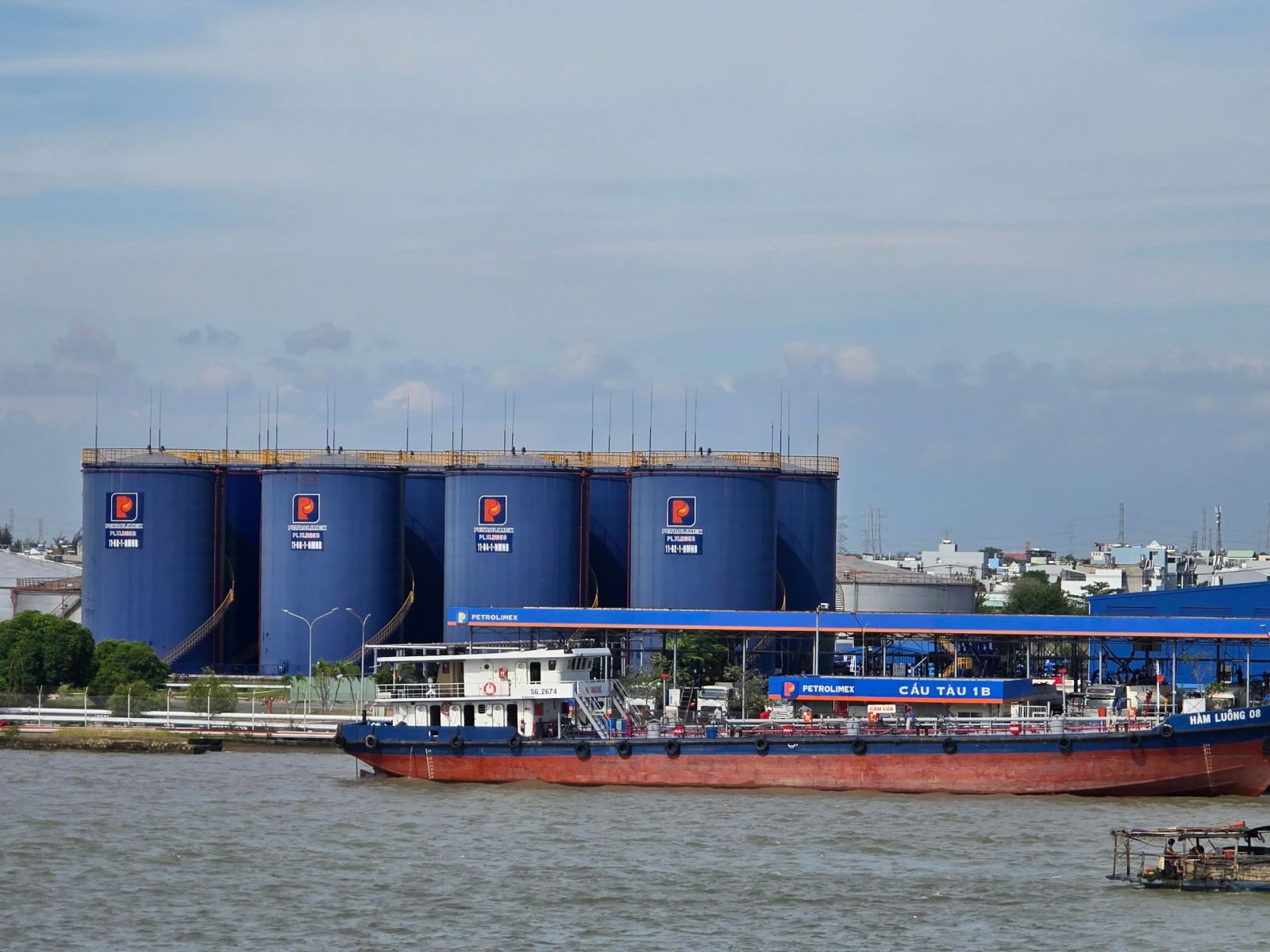
The Ministry of Industry and Trade has promptly and continuously issued directives to the nationwide fuel distribution system, requiring uninterrupted operations and ensuring supply under all circumstances. At the same time, it has proactively reviewed and amended policies to facilitate the diversification of import sources, thereby strengthening supply for production and consumption.
Price management has been conducted flexibly, closely tracking global market developments, while effectively combining the Price Stabilization Fund with tax and fee instruments to limit sharp fluctuations, contributing to inflation control and macroeconomic stability.
In parallel, measures to enhance reserves and ensure smooth distribution across the supply chain continue to be implemented, improving resilience against adverse external shocks.
Current developments underscore the vulnerability of import-dependent economies to geopolitical energy shocks. In the short term, priorities lie in securing supply, managing prices flexibly and stabilizing markets. Over the long term, countries need to expand strategic reserves, improve energy efficiency, accelerate the development of renewable energy and strengthen regional cooperation to respond to disruptions at critical chokepoints such as the Strait of Hormuz.

