


Ministry of Industry and Trade steps up measures to ensure electricity supply for socio-economic development
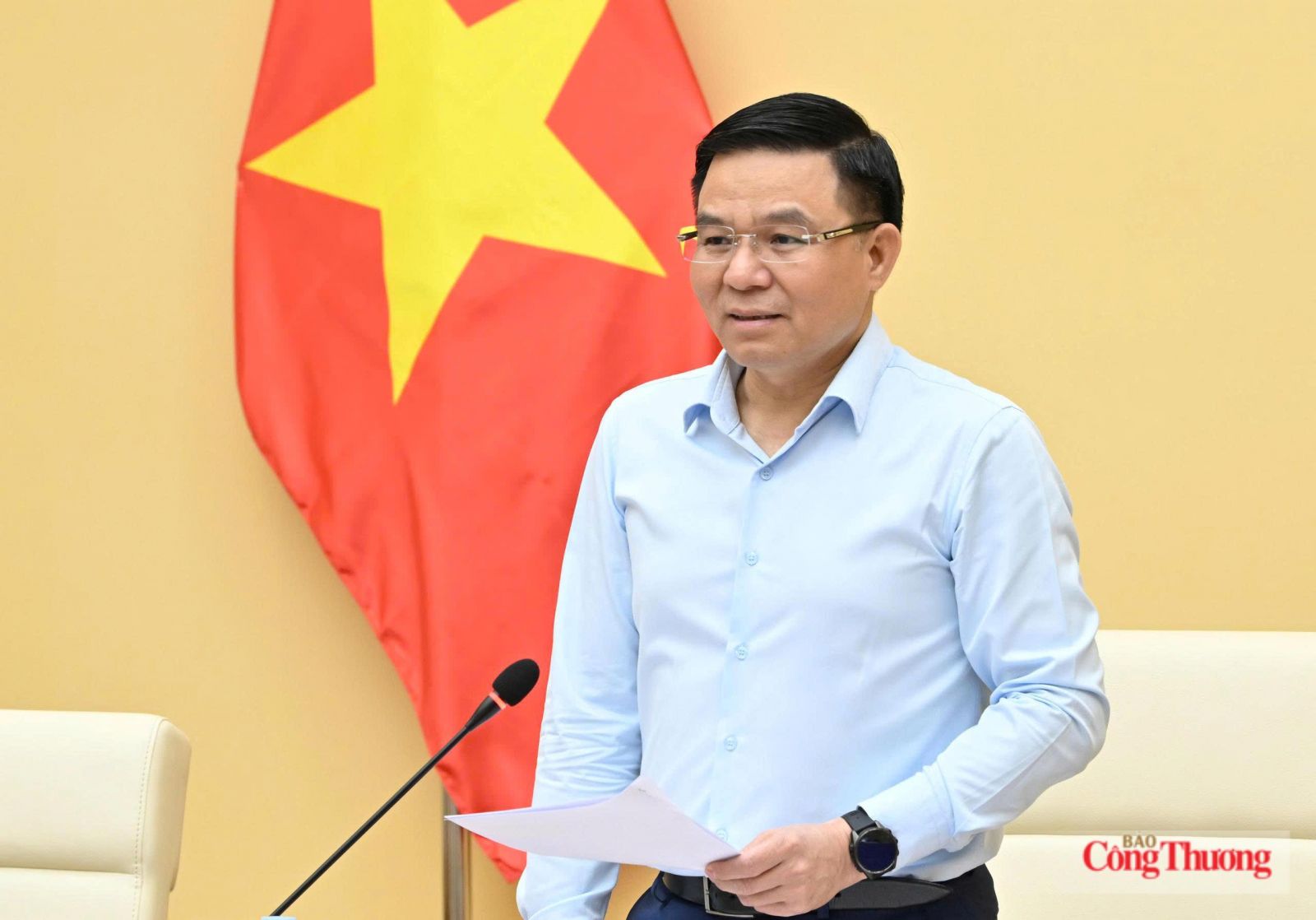
On the morning of June 22, 2026, Minister of Industry and Trade Le Manh Hung chaired a working session at the Ministry’s headquarters with Vietnam Electricity (EVN) and relevant stakeholders. The meeting focused on a comprehensive assessment of power supply operations during the first six months of 2026 and discussed solutions for the period ahead in light of increasingly challenging weather conditions and continuously rising electricity demand.
Attending the session were Deputy Minister Truong Thanh Hoai; leaders of the Ministry’s affiliated units; representatives of Vietnam National Industry - Energy Group (Petrovietnam); Vietnam National Coal and Mineral Industries Group (TKV); and other related organizations.
Safe and stable electricity supply maintained in the first half of 2026
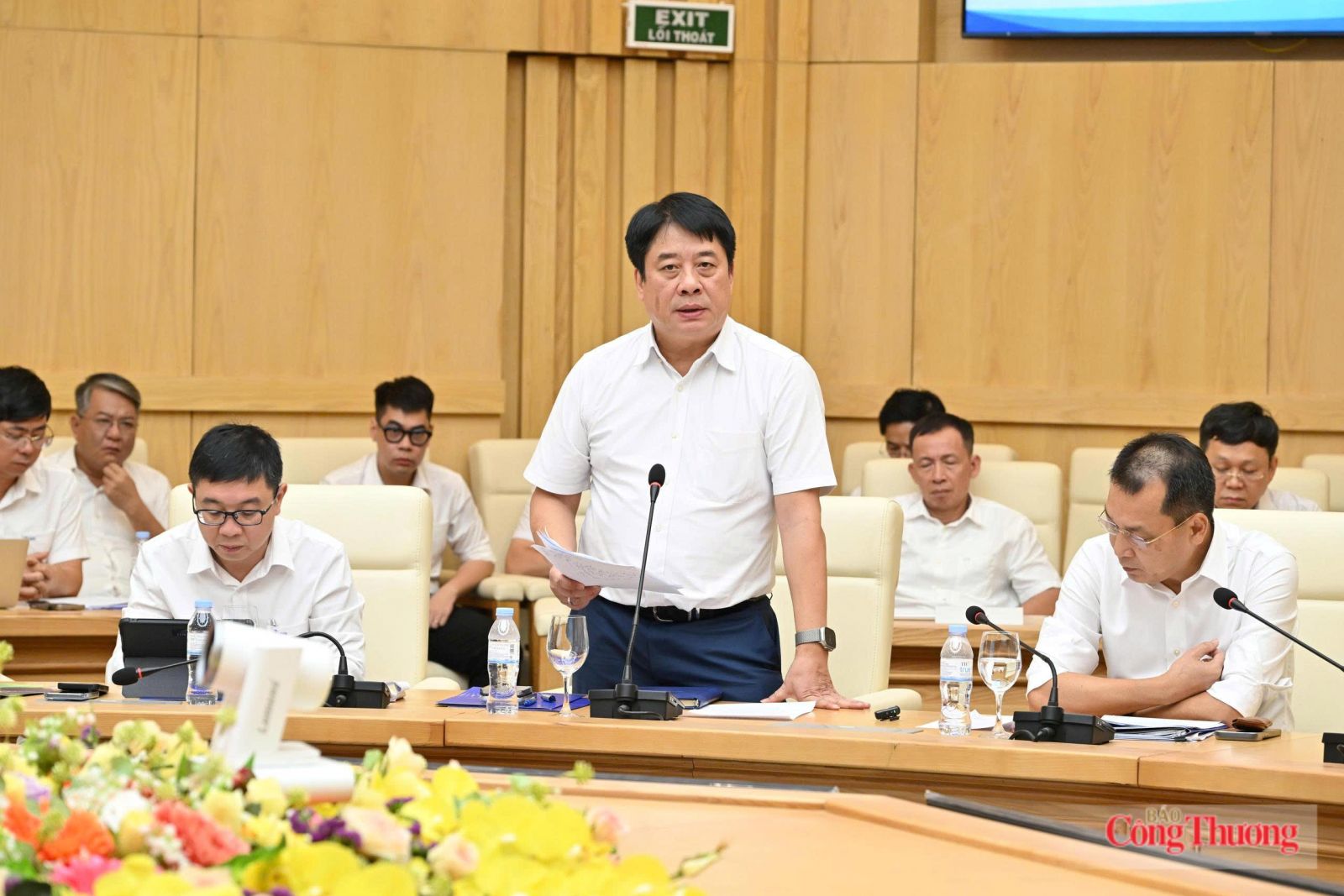
Reporting at the meeting, EVN President and Chief Executive Officer Nguyen Anh Tuan stated that during the first six months of 2026, EVN successfully ensured a safe and stable electricity supply to support socio-economic development and major political events of the country.
Total electricity generation and imports across the national power system were estimated at 171.1 billion kWh, up 9.5% compared to the same period in 2025, while commercial electricity output reached approximately 151.8 billion kWh, representing a year-on-year increase of 9.67%.
Against the backdrop of an early and intense heatwave and surging electricity demand, EVN and the National System and Market Operation Company Limited (NSMO) proactively implemented a wide range of operational measures, flexibly dispatching available power sources, including oil-fired backup generation. These efforts enabled the system to successfully meet record-high electricity loads.
On May 27, 2026, the national peak load reached 57,189 MW, the highest level ever recorded. Peak demand in northern Vietnam approached 29,900 MW, yet the power system continued to operate safely and reliably.
Regarding investment and construction activities, EVN has maintained progress on key projects, focusing on initiatives aimed at enhancing transmission capacity between northern and central regions, increasing electricity imports from Laos and China, facilitating the integration of new generation sources, meeting rapidly growing demand in major economic centers, and preparing power infrastructure for APEC 2027.
In addition, EVN has instructed its subsidiaries to intensify public communication campaigns on electricity conservation, work closely with businesses on demand-side management and load shifting programs, and promote efficient energy use.
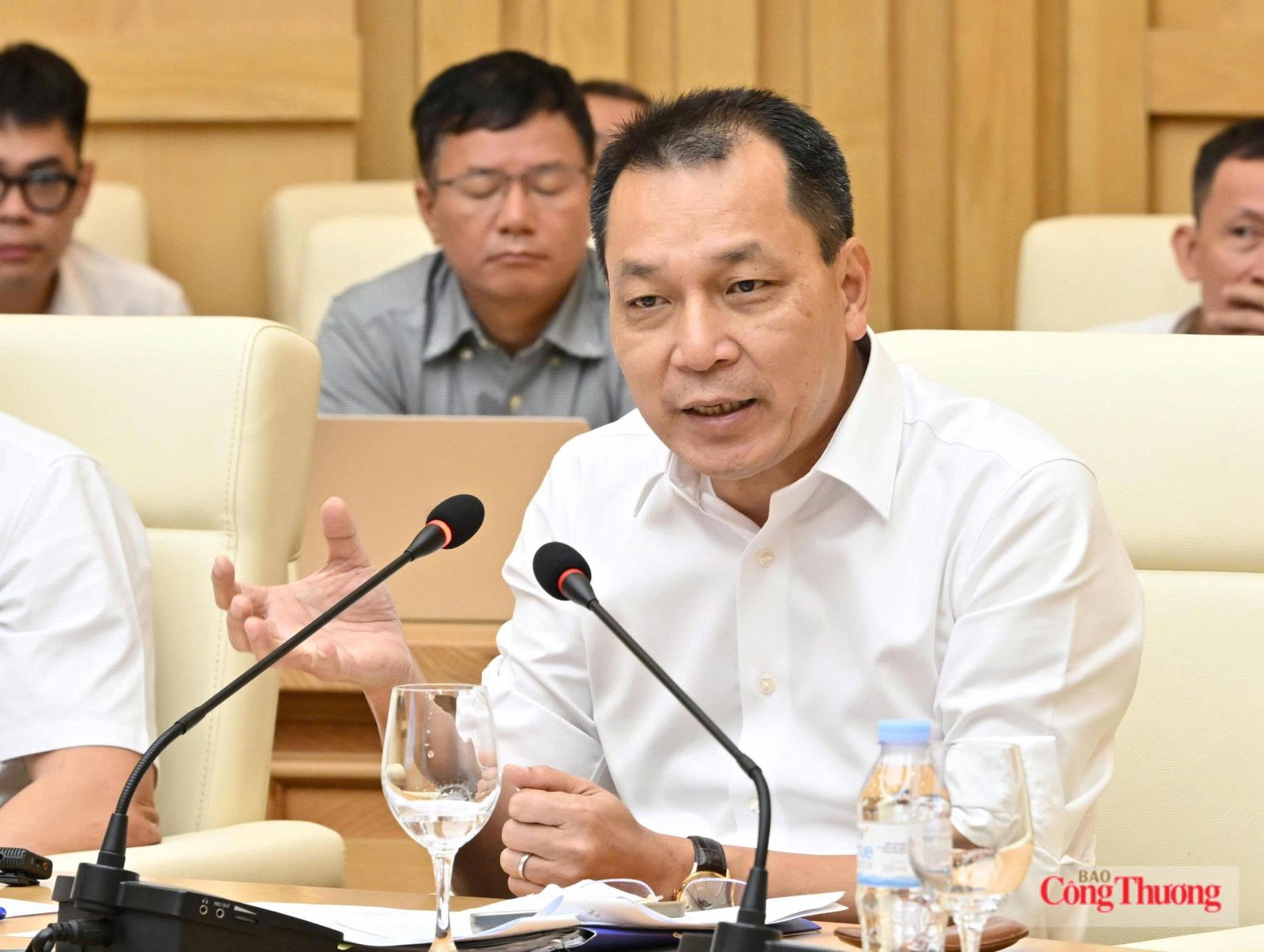
Regarding tasks for the second half of 2026, EVN leadership stated that the Group would continue implementing comprehensive measures to ensure safe and reliable electricity supply under all circumstances, particularly during peak summer periods in northern Vietnam.
At the meeting, representatives of Northern Power Corporation (EVNNPC), Hanoi Power Corporation (EVNHANOI), Power Generation Corporation 1 (EVNGENCO1), National Power Transmission Corporation (EVNNPT), Petrovietnam, and TKV reported on electricity supply performance during the first six months of 2026, efforts to secure coal, gas, and oil supplies for power generation, and challenges facing power generation and transmission projects, fuel imports, and infrastructure development. They also proposed solutions to ensure electricity supply for the remainder of 2026 as well as the medium- and long-term periods.
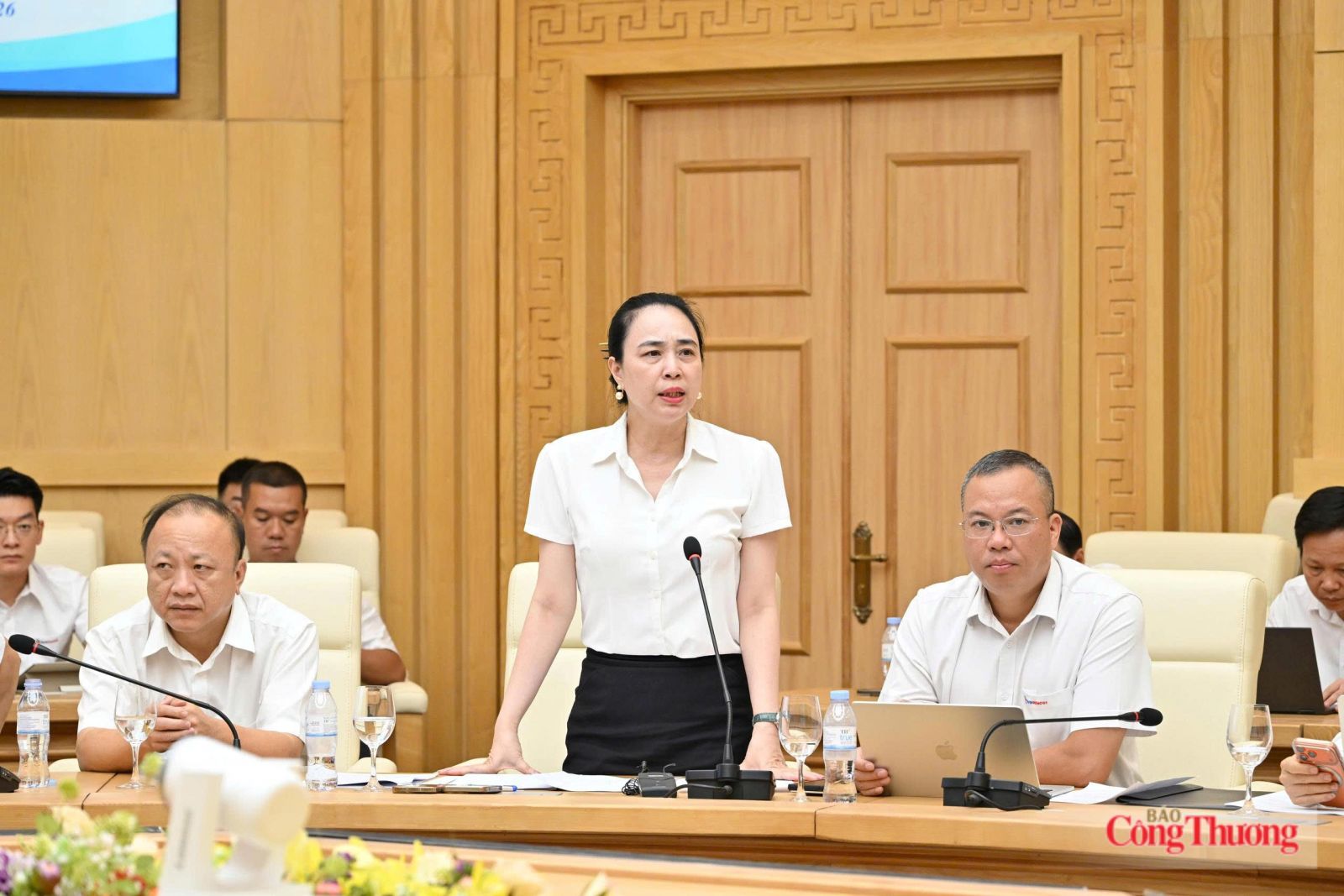
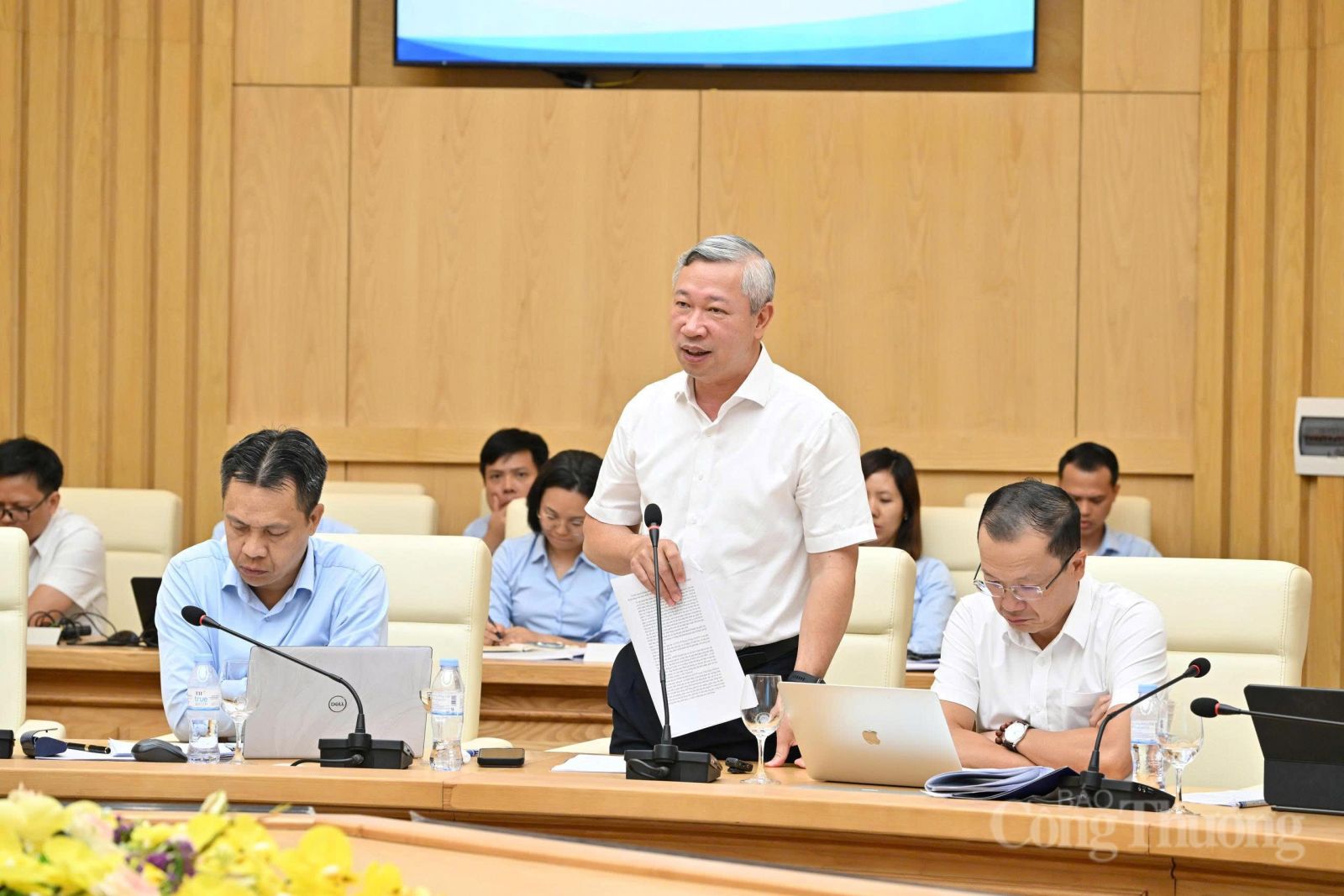
Based on recommendations from enterprises, representatives of the Ministry’s departments and agencies, together with NSMO, exchanged views and clarified issues related to policies, regulatory mechanisms, and power system operation. They also proposed solutions to address existing bottlenecks, strengthen energy security, and meet future development requirements.
Ensuring adequate electricity supply remains a top priority
Addressing the meeting, Deputy Minister Truong Thanh Hoai emphasized that power source development is a long-term undertaking requiring preparation many years in advance. The immediate objective is to secure electricity supply through 2030 while proactively preparing solutions for the period extending to 2035.
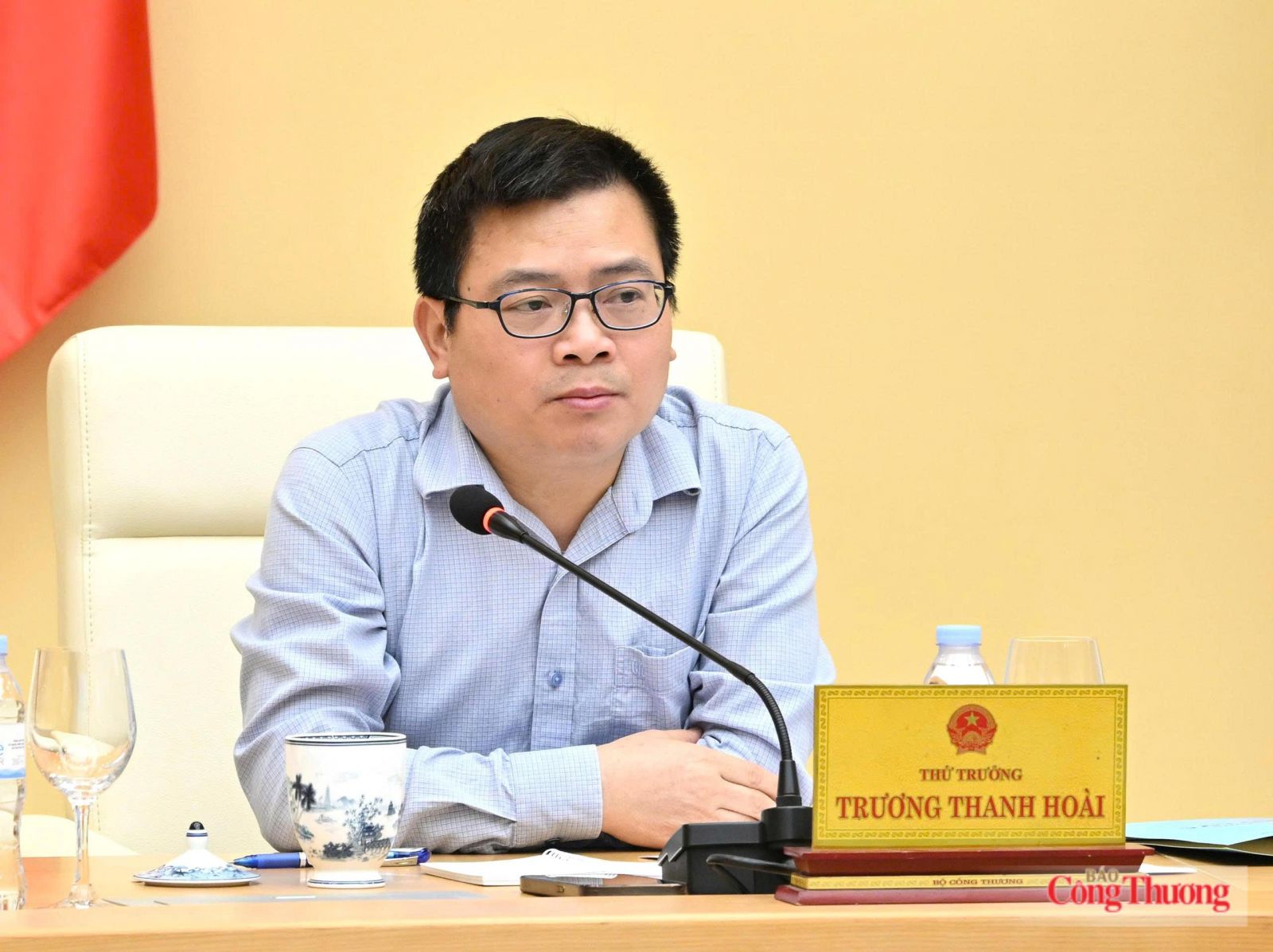
Accordingly, the review of investment portfolios for future power generation and transmission projects must not only meet short-term requirements but also accommodate the country’s economic development needs over the next decade.
Regarding the list of urgent projects to be implemented in the coming period, the Deputy Minister urged state-owned groups and enterprises to carefully select projects, concentrate resources on those that are truly necessary, and maximize investment efficiency.
Based on EVN’s report and discussions at the meeting, Minister Le Manh Hung acknowledged and highly appreciated the efforts made by EVN and energy-sector enterprises in recent years. Despite domestic difficulties, global uncertainties, and challenges to energy security, the energy sector in general and the power industry in particular have successfully overcome obstacles and fulfilled their assigned responsibilities.
The Minister noted that growing energy demand and ambitious economic growth targets present both challenges and opportunities for the sector to continue innovating and developing. However, to meet the socio-economic development requirements of the coming period, particularly the country’s high-growth objectives, the energy sector must intensify its efforts and act with greater determination in carrying out assigned tasks.
In this context, ensuring sufficient electricity supply for the economy and people’s daily lives remains EVN’s foremost priority.
Accordingly, the Minister instructed EVN to continue working closely with Petrovietnam, TKV, and other relevant entities to ensure an adequate, continuous, and stable supply of fuel inputs, particularly coal and natural gas for electricity generation.
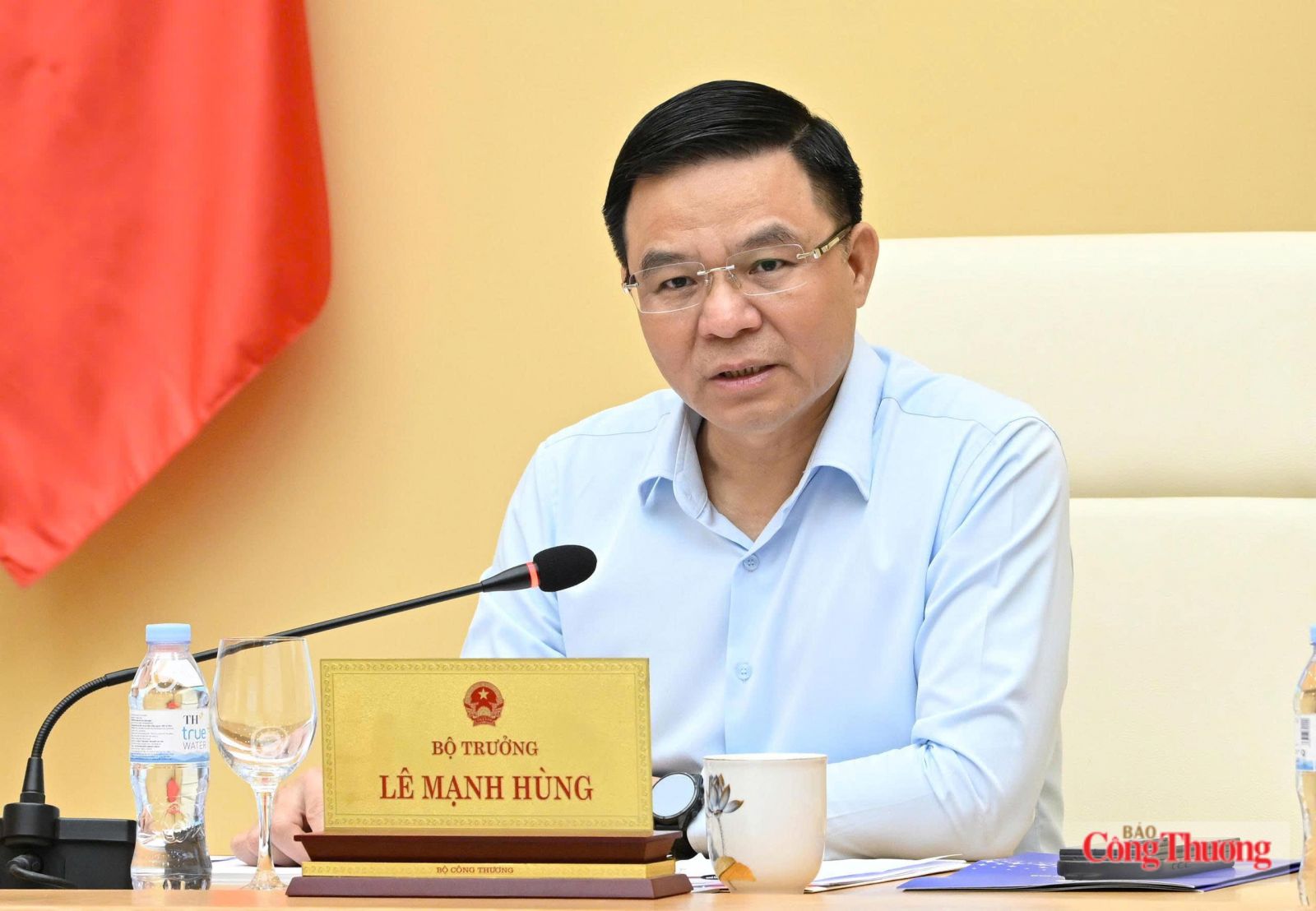
At the same time, the Minister requested NSMO to coordinate with power generation companies to optimize maintenance schedules and avoid plant shutdowns during periods of peak heat and high demand. He also emphasized the importance of maintaining sufficient human resources, inventories of spare parts and equipment, and contingency arrangements to respond promptly to incidents and ensure high availability across power plants.
The Minister further stressed that EVN-operated power plants should strengthen risk assessment and risk management efforts during periods of extreme heat and exceptionally high electricity demand.
Regarding electricity demand management, the Minister called on EVN to direct power utilities to work closely with provincial Departments of Industry and Trade and electricity consumers in implementing energy efficiency programs, demand response initiatives, and load-shifting measures. He also encouraged proactive engagement with the Electricity Authority to formulate and recommend appropriate policy solutions.
Alongside immediate measures, the Minister urged EVN to strengthen investment portfolio management and implement projects according to established priorities and planning schedules.
For key projects, the Minister assigned relevant departments and agencies under the Ministry to closely monitor implementation progress, identify obstacles, and ensure that bottlenecks are fully resolved. In the transmission sector, he stressed the need to prioritize investment and construction activities to guarantee the timely completion of major grid projects.
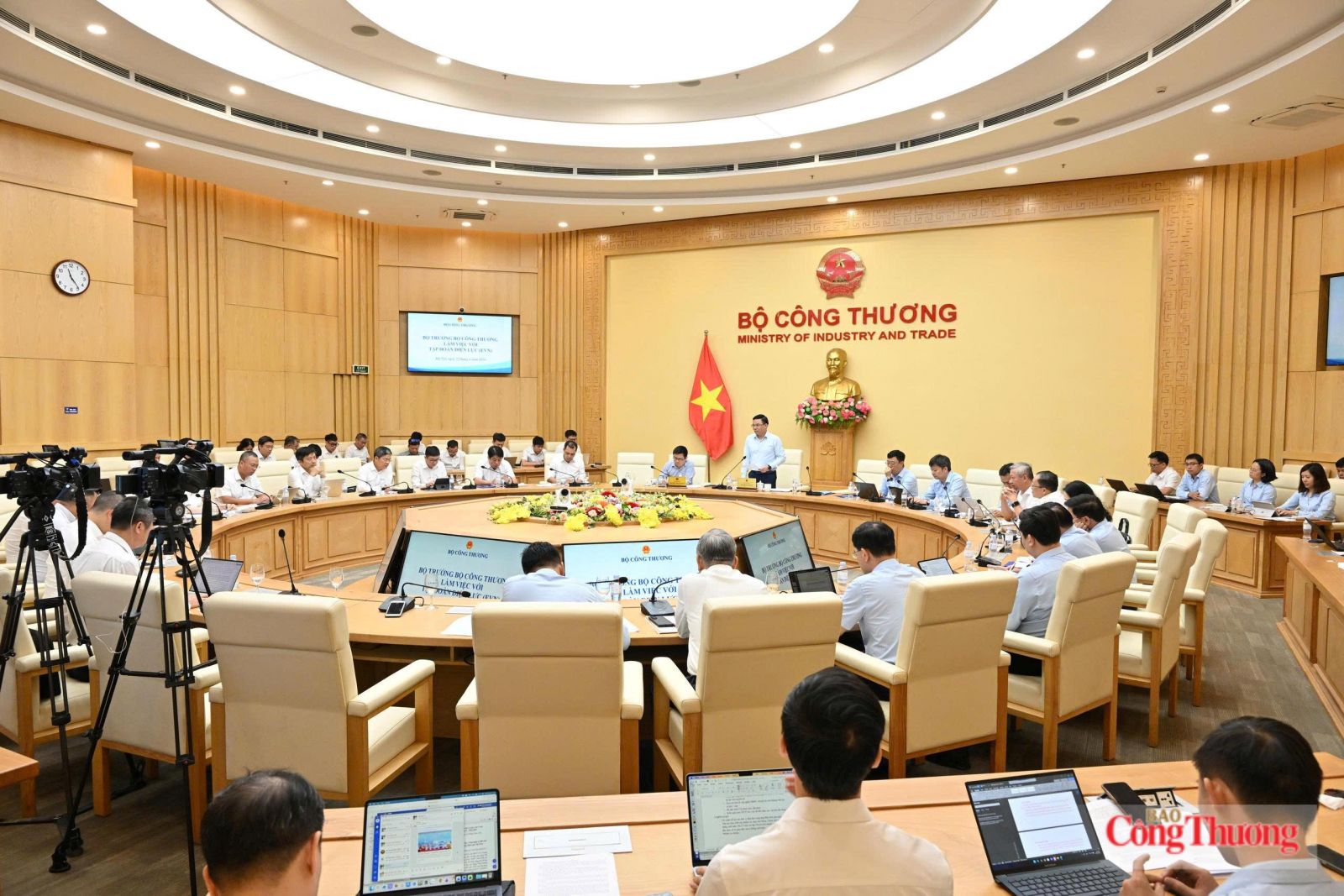
Regarding the implementation and continued review of the revised National Power Development Plan VIII (PDP VIII), the Minister requested EVN, power generation corporations, project management boards, and related entities to continue evaluating and proposing highly feasible power generation and transmission projects capable of meeting system development requirements at each stage.
Highlighting the importance of energy conservation and demand-side management, the Minister stated that these are major priorities that require stronger and more decisive implementation in the period ahead. He also called for enhanced public communication efforts to raise awareness and promote innovative energy management solutions to achieve the energy-saving targets assigned by the Government.
In addition, EVN was urged to continue studying and applying advanced technologies in production and operations, accelerate digital transformation investment, and vigorously implement Resolution No. 57-NQ/TW as well as strategic technologies and strategic technology products assigned to the industry and trade sector.
For the Ministry’s functional units, the Minister directed departments and agencies, together with state-owned groups, to conduct a comprehensive review of the existing regulatory and policy framework, particularly issues arising from practical implementation, in order to contribute to amendments to the Law on Electricity.
At the same time, they were instructed to develop an overarching plan to ensure electricity supply in both the immediate term and the 2026 - 2030 period, with the overarching objective of safeguarding national energy security and supporting the country’s economic growth.

