


Minister of Industry and Trade Le Manh Hung works with Agency for Domestic Market Surveillance and Development
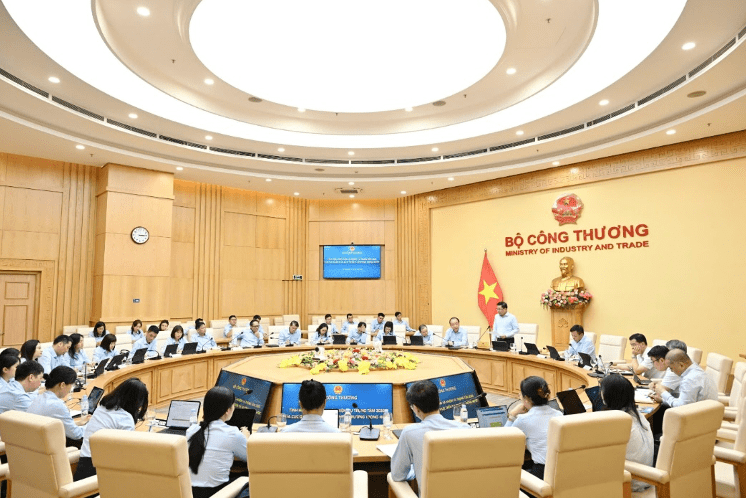
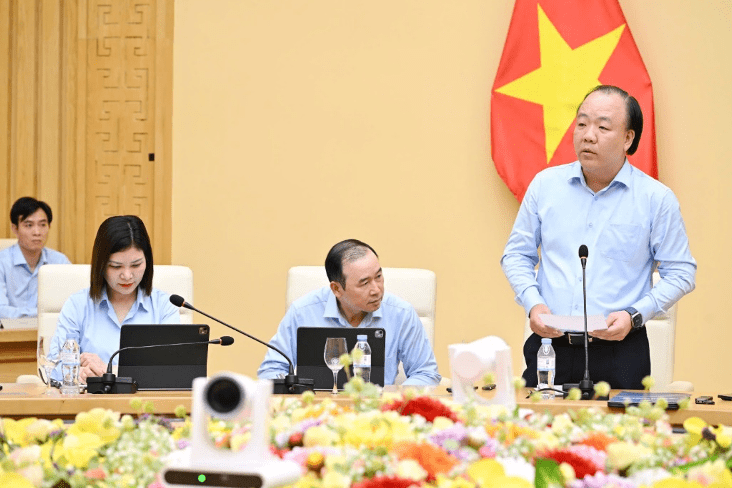
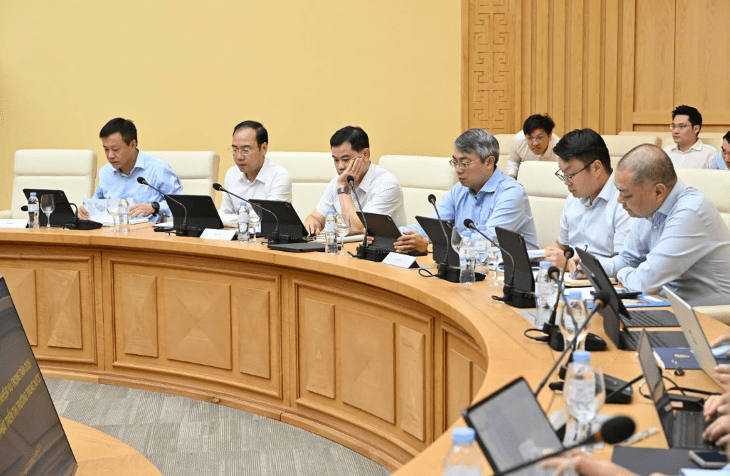
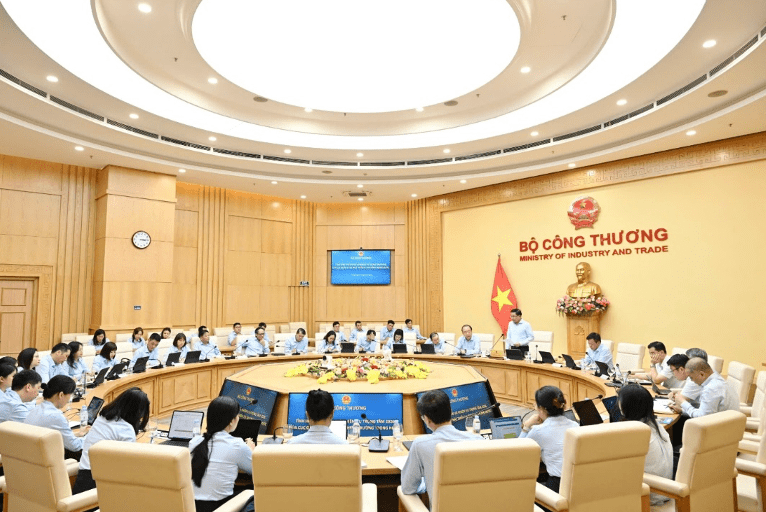
On the afternoon of May 13, Minister of Industry and Trade Le Manh Hung held a working session with the Agency for Domestic Market Surveillance and Development on the implementation status and key tasks for 2026. Representatives from several units under the Ministry also attended the meeting.
Coordinated solutions for market governance and regulation
Reporting at the session, Tran Huu Linh, Director of the Agency for Domestic Market Surveillance and Development said that in the first four months of 2026, the unit had comprehensively implemented assigned tasks, ensuring progress and achieving notable results across institutional development, market administration, and market inspection and control.
Closely following new governance requirements, the Agency placed strong emphasis on policy and legal framework development, undertaking a large workload including one draft law, seven decrees, eight circulars, and five projects. Many of these carry significant implications for production, business activities, and public life, including regulations on gasoline and oil trading, gas, and the development and management of markets.
Notably, the Agency proactively proposed substantial reductions and simplifications in business investment conditions, including recommending the removal of two sectors, gas and alcohol from the list of conditional business lines. It also reviewed and cut multiple administrative procedures related to gasoline, tobacco, and food safety, contributing to lower compliance costs and a more open business environment.
In addition, a series of domestic market development programs were implemented, including the review of the campaign “Vietnamese people prioritize using Vietnamese goods,” and the summary of the national target program for socio-economic development in ethnic minority and mountainous areas toward 2030.
Amid complex global fluctuations in oil prices affecting domestic supply and market sentiment, the Agency proactively advised and implemented flexible management measures, helping stabilize the gasoline market and ensure supply for production and consumption.
According to reported data, total retail sales of goods and consumer service revenue in the first four months reached VND 2,546.6 trillion, up 11.1% year-on-year.
Alongside stimulating consumption, market surveillance and enforcement were strengthened. From December 15, 2025 to May 10, 2026, the market surveillance force inspected 17,407 cases, detected and handled 14,923 violations. Total administrative fines reached VND 250.5 billion, with confiscated goods valued at VND 67.2 billion and destroyed goods worth VND 102.9 billion.
In the gasoline sector alone, authorities conducted 80 inspections and handled 61 violations, with total fines exceeding VND 2.1 billion. Five wholesale enterprises were penalized for failing to maintain required reserve levels.
The Agency also continued to accelerate digital transformation in management activities, particularly in administrative sanctions and gasoline trading oversight, gradually improving operational efficiency, transparency, and service quality for citizens and businesses.
Strong implementation of solutions for the final months of the year
For the remaining months of the year, Tran Huu Linh said the Agency aims to effectively implement Government Resolution 88/NQ-CP on boosting domestic market development and stimulating consumption. It will also continue high-intensity inspection plans targeting intellectual property rights violations.
At the same time, the Agency will develop a national petroleum and key commodities management system for implementation from June 1, 2026, and complete the Ministry’s product authentication system by January 2026.
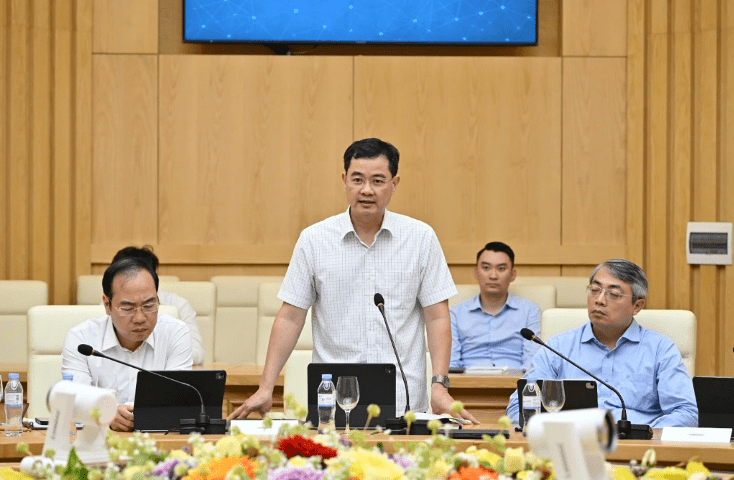
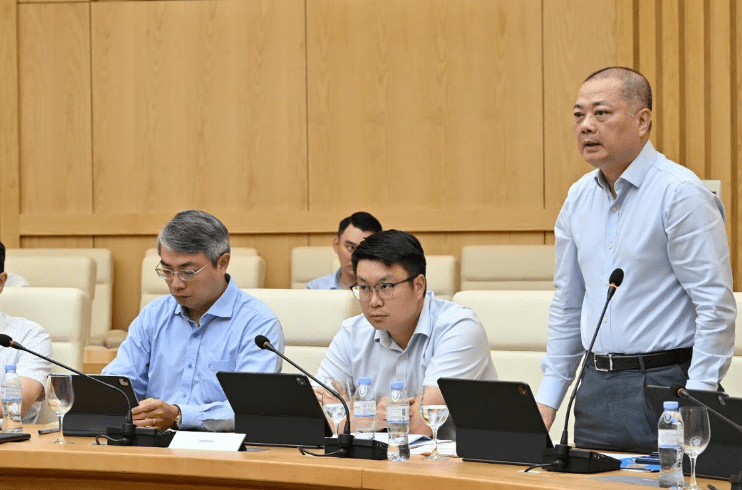
The Agency also proposed a range of key tasks, including the development of a Domestic Trade Market Development Strategy for the 2026 - 2030 period, with a vision to 2045; formulation of a logistics development project; and the promotion of outlet models and large-scale commercial complexes linked with tourism and consumption stimulation.
During the discussion, delegates exchanged views on the implementation of the Agency’s key tasks in the coming period and proposed coordination mechanisms between the Agency and other units to improve effectiveness.
Concluding the meeting, Minister Le Manh Hung acknowledged and highly appreciated the efforts of the Agency for Domestic Market Surveillance and Development in fulfilling assigned duties, particularly in the context of its increasingly broad scope of responsibilities across multiple sectors.
In the final months of the year, the Minister urged the Agency to closely align with the national double-digit growth target, in which domestic market demand should contribute around 13 - 15%. Targets should be specified by month and quarter to clearly define implementation solutions.
One key priority, he said, is the urgent completion of the Domestic Trade Market Development Strategy for 2026 - 2030. This should include in-depth research on market potential, consumption structure, income segmentation, and growth drivers to design appropriate policy solutions.
The Minister also requested a review of operational structures, institutional systems, and human resources after one year of implementing the new structure, alongside improvements to the legal framework to accommodate emerging business format in the digital economy and sharing economy.
He underscored the need to synchronously implement the logistics development project to reduce intermediary costs, enhance competitiveness, and support more effective e-commerce development.
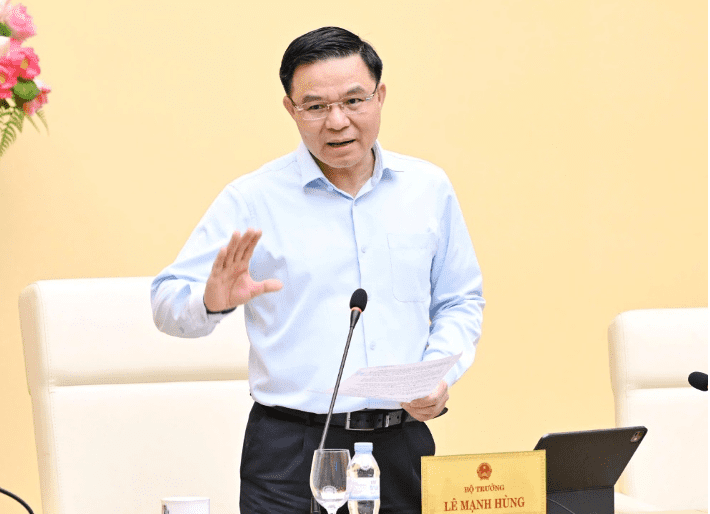
On consumption stimulus measures, the Minister called for solutions to expand aggregate demand in parallel with business support, promotion of Vietnamese goods consumption, and research into new format such as outlet centers, logistics hubs, and commodity trading platforms.
Regarding market surveillance, he emphasized accelerating technological application, building big data systems, applying artificial intelligence, and strengthening management across both physical and digital environments.
The Minister urged the leadership and staff of the Agency to continue fostering sectoral culture, maintaining solidarity, and enhancing professional capacity to meet increasingly high demands in domestic market governance and development.

